
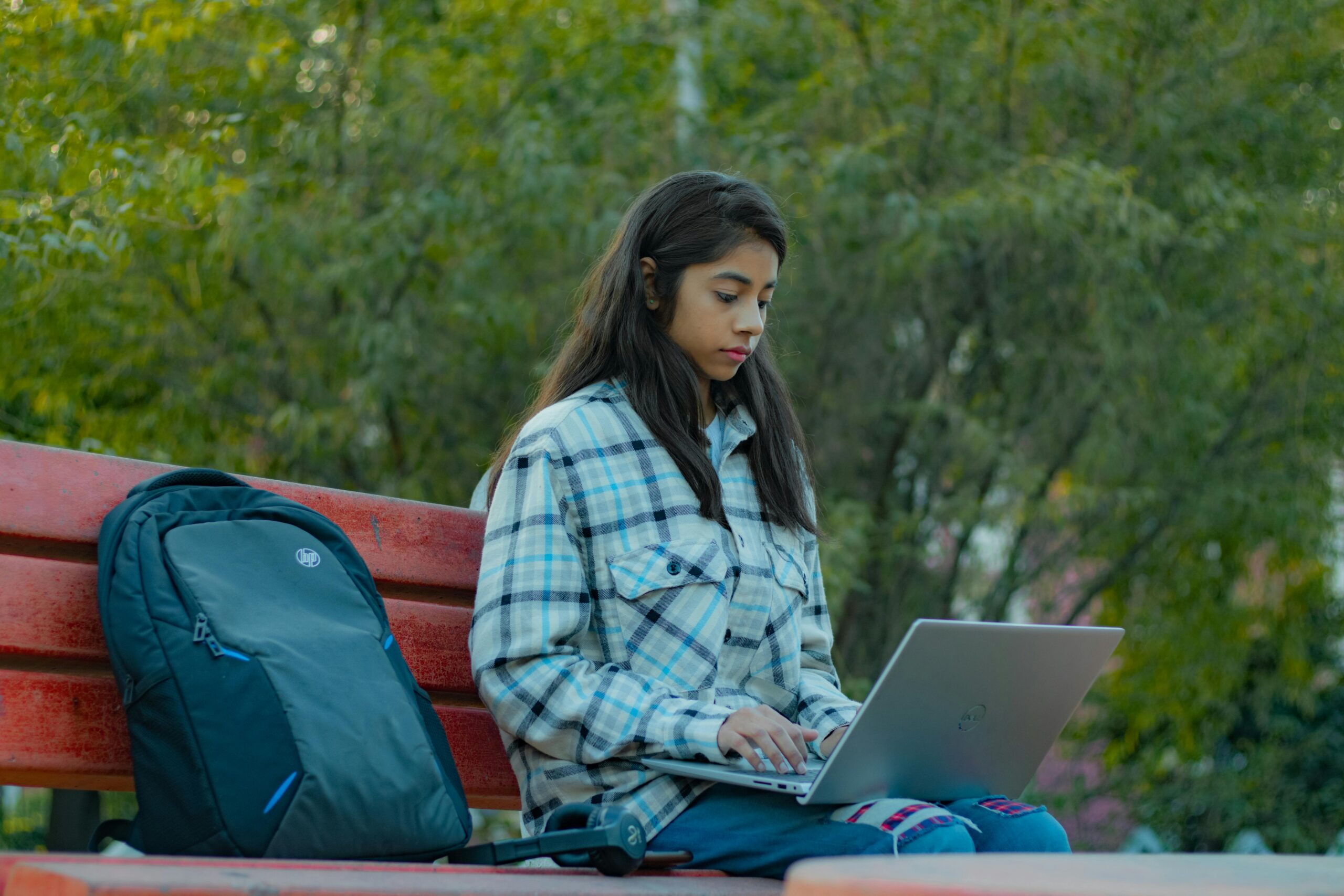
WITH a median age of just 28, India boasts one of the world’s youngest populations—a demographic dividend that could fuel economic growth for decades. 65% of Indians are under 35, a vibrant workforce waiting to be tapped. Yet, a critical gap remains: while the country’s talent pool is vast, many lack the skills demanded by a modern, tech-driven economy. On World Youth Skills Day which is celebrated every year on July 15, we look at the situation in India and also the significance of the day.
As rhetoric linking unemployment and underemployment to skilling grows louder, a deeper issue is overlooked: India has plenty of Science, Technology, Engineering, or Mathematics (STEM) graduates, but lacks top talent to lead in emerging tech. The country ranks a distant 7th in AI, with the US and China dominating the top spots. Most funding in this sector flows to these leaders. India’s tech industry contributes 7.5% to GDP, but without the right skills, is a decline inevitable?
The skills challenge in India
The global workforce is expected to see a crucial shift in job roles. With a huge young population, India faces the added challenge of aligning skills with new-age careers. For instance, the growing demand for data scientists, AI specialists, and cybersecurity analysts far outstrips the supply of qualified professionals.
In the BFSI sector, digital transformation has fueled demand for cybersecurity and data analysis experts. Yet, there’s a severe shortage—Nasscom estimates that India will need 1 million cybersecurity professionals by 2027, but only 3 lakh are available today. Shockingly, new graduates can fill only a quarter of advanced tech jobs.
How can India bridge the gap?
As we observe World Youth Skills Day, it’s crucial to recognize that businesses, government, and academia must collaborate to adopt a heterogeneous approach to skilling. Here are some key steps:
1. Assess skills gaps accurately
AI-powered tools like Skillsoft and Coursera for Business can help identify real-time skills gaps and recommend tailored learning paths.
2. Invest in continuous learning & development (L&D)
While some tech companies prioritize upskilling, similar efforts must expand across industries—especially SMEs. Schemes like Pradhan Mantri Kaushal Vikas Yojana (PMKVY) are steps in the right direction, but more public-private partnerships (PPPs) are needed.
3. Align education with industry needs
A 2023 PwC report revealed that 77% of Indian CEOs see skill shortages as a growth barrier, up from 64% in 2019. Traditional education must evolve to meet market demands.
World Youth Skills Day: A call to action
In 2014, the United Nations declared July 15 as World Youth Skills Day (WYSD) to highlight the importance of equipping youth with employable skills. This year, as we mark the 10th anniversary of World Youth Skills Day, the focus is on “Youth Empowerment Through AI and Digital Skills.”
The Fourth Industrial Revolution is reshaping economies, and AI-driven skilling is no longer optional—it’s essential. However, without equitable access to training, millions risk being left behind.
On World Youth Skills Day 2025, let’s commit to:
- Upskilling youth in AI and digital technologies
- Encouraging industry-academia collaboration
- Expanding vocational training (TVET) for future-ready skills
As we celebrate World Youth Skills Day, let’s recognize the power of young people as drivers of change—and ensure they have the tools to build a sustainable, inclusive future.
This World Youth Skills Day, let’s turn challenges into opportunities—because India’s youth deserve nothing less.

Give exists to alleviate poverty by enabling the world to give. Established in 2000, Give, together with its partners, is the largest and most trusted giving platform in India. Give enables individuals and organizations to raise and donate funds conveniently to any cause they care about, with offerings including crowdfunding, corporate giving, cause marketing, and philanthropy consulting. Give’s community of 2.6M+ donors supports 3,000+ verified nonprofits, serving 15M+ people across the country.