
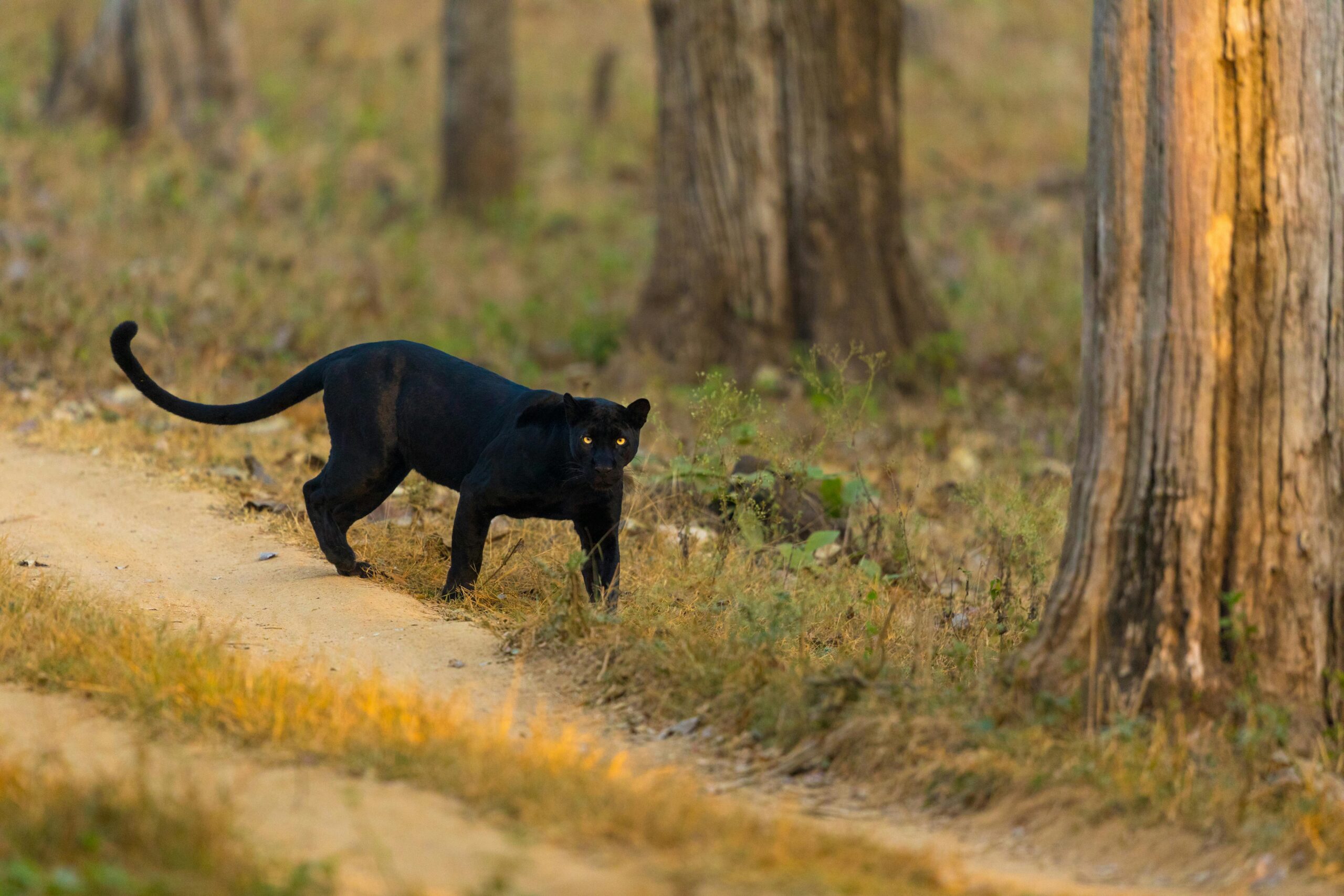
AS we celebrate World Nature Conservation Day on July 28th, we face an environmental crisis unlike any in human history. Scientists warn we’re losing species at 1,000 times the natural rate, with climate change accelerating this devastation. The recent UN report reveals that 1 million species now face extinction due to human activities. Our forests – Earth’s natural air filters – are disappearing at a staggering rate. According to the United Nations’ Food and Agriculture Organisation Earth is losing 10 million hectares per year or equivalent to 27 football fields every minute. India stands at a critical juncture in its environmental journey. Our nation, home to 8% of the world’s biodiversity across just 2.4% of its land area, faces unprecedented ecological challenges. From the melting glaciers of the Himalayas to the bleaching corals of the Andamans, from the shrinking Western Ghats forests to the disappearing grasslands of the Gangetic plains – India’s natural wealth is under siege. Yet, this day reminds us that as a civilisation that has worshipped rivers as goddesses and trees as deities, conservation is embedded in our cultural DNA.
The numbers tell a sobering story: India has lost nearly 40% of its natural forests since independence. The Wildlife Institute of India reports that 12% of our mammal species and 7% of birds are threatened with extinction. Our rivers, revered as lifelines, rank among the most polluted globally. Yet, amidst these challenges, India has shown remarkable conservation successes – from Project Tiger’s global acclaim to community-led initiatives like the Bishnoi movement that inspired Chipko.
India’s unique conservation challenges
India faces distinct conservation challenges shaped by its unique socio-ecological context:
- Population pressure: With 18% of humanity on 2.4% of land, human-wildlife conflicts are increasing. Elephants now raid crops in 90% of districts where they roam.
- Development dilemma: Balancing infrastructure growth with conservation is complex. Projects often fragment critical wildlife corridors like the Kanha-Pench tiger landscape.

- Climate vulnerability: India has 7 of the world’s 10 most climate-vulnerable cities. Melting Himalayan glaciers threaten water security for 500 million.
- Pollution crisis: 14 of the 20 most polluted cities globally are Indian. Our rivers carry 72% of urban sewage untreated.
Yet, India has demonstrated innovative solutions – from Rajasthan’s community water harvesting to Kerala’s homegardens preserving agro-biodiversity.
India’s conservation success stories
India’s conservation journey offers inspiring models:
- Project Tiger: From 1,411 tigers in 2006 to 3,167 in 2022 – the world’s most successful big cat recovery programme.
- Asiatic Lion comeback: From just 20 lions in 1913 to over 670 today in Gujarat’s Gir forest.
- Vulture recovery: After 99% population crash due to diclofenac, bans and breeding centers are reviving these critical scavengers.
- Community conservation: The Bishnois of Rajasthan, the Apatanis of Arunachal, and Maharashtra’s Village Forest Committees show how local stewardship works.
- Urban innovations: Chennai’s restored lakes, Delhi’s Asola Bhatti sanctuary, and Mumbai’s flamingo conservation prove cities can coexist with nature.
How every Indian can contribute
Conservation begins at home:
- Support Indian NGOs: Give.do showcases outstanding Indian conservation initiatives:
o Save India’s Majestic Mountains
- Adopt Indian solutions:
o Practice rainwater harvesting like traditional johads
o Use terracotta instead of plastic (return to our matka culture)
o Support organic farming inspired by natural farming movements
- Celebrate Indian knowledge:
o Learn from tribal communities about sustainable forest use
o Revive traditional water conservation methods
o Practice Ayurveda’s principle of taking only what you need
- Be a responsible tourist:
o Choose eco-sensitive destinations
o Respect wildlife sanctuaries

o Support community-run ecotourism
The road ahead: India’s conservation vision
As we celebrate World Nature Conservation Day, India must chart its unique path:
- Green Growth Model: Combine development with conservation like Bhutan’s Gross National Happiness index.
- Climate Leadership: Leverage our solar potential and traditional sustainability wisdom.
- Community Partnerships: Expand joint forest management to all states.
- Policy Implementation: Strengthen enforcement of environmental laws.
- Youth Engagement: Harness our demographic dividend for green jobs and innovation.
In the Indian ethos, conservation is dharma – our sacred duty. From the Vedas that proclaimed “Earth is our mother” to Gandhiji’s ethos of “The world has enough for everyone’s need,” sustainability is our civilizational legacy.
This World Nature Conservation Day, let’s recommit to this dharma. Support Indian conservation heroes through platforms like Give.do. Adopt sustainable living rooted in Indian traditions. Most importantly, remember that in saving India’s nature, we secure our children’s future.
Visit Give.do today to support Indian conservation efforts. Our nation’s natural heritage depends on the choices we make now.

Give exists to alleviate poverty by enabling the world to give. Established in 2000, Give, together with its partners, is the largest and most trusted giving platform in India. Give enables individuals and organizations to raise and donate funds conveniently to any cause they care about, with offerings including crowdfunding, corporate giving, cause marketing, and philanthropy consulting. Give’s community of 2.6M+ donors supports 3,000+ verified nonprofits, serving 15M+ people across the country.