
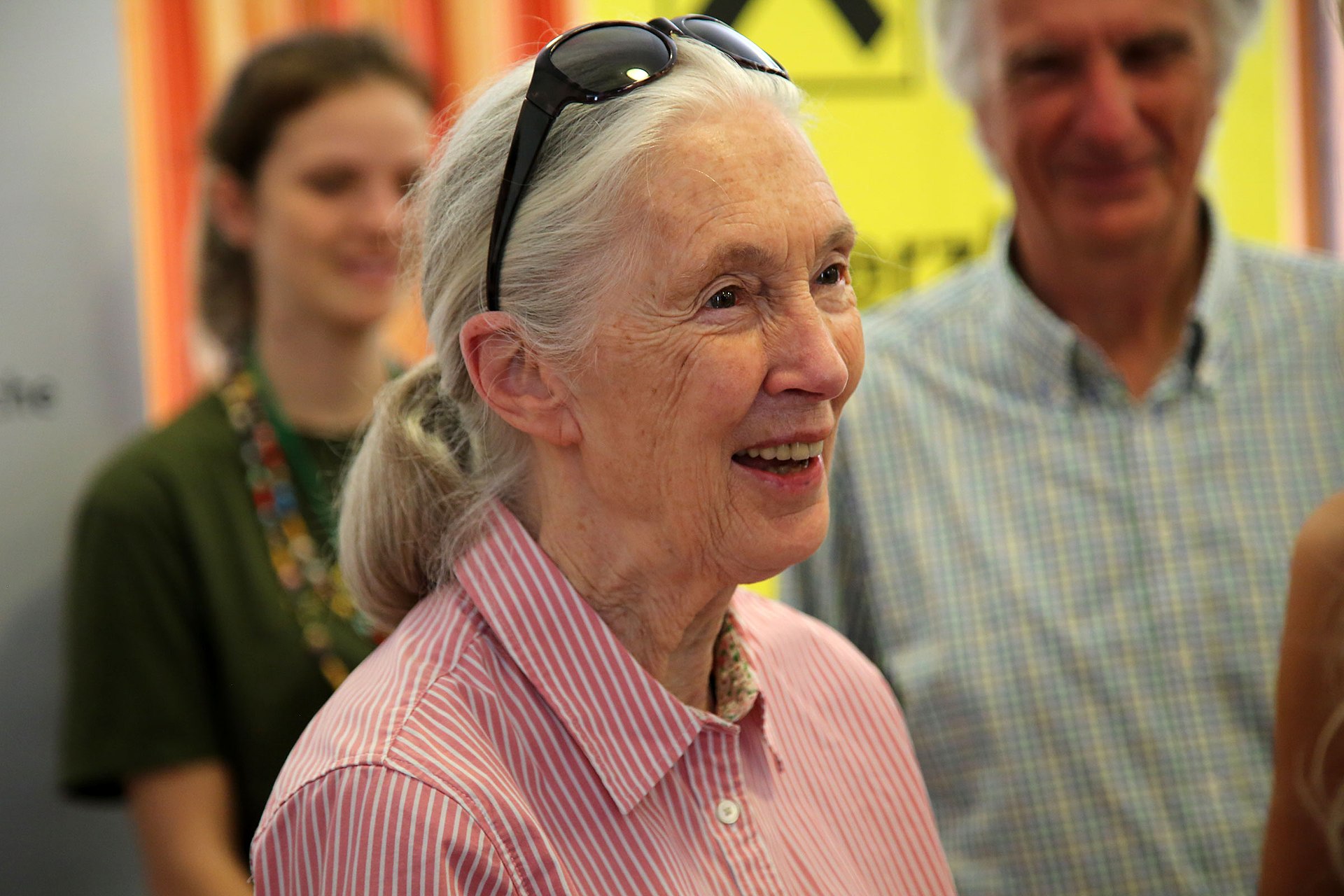
THE global community mourns the passing of Dr. Jane Goodall, a pioneering primatologist and conservation icon. The Jane Goodall Institute confirmed her peaceful passing at ninety-one during a speaking tour, marking the end of an era for environmental advocacy. Her journey from a curious child to a world-renowned scientist remains an inspiration for countless people across the planet.
A young Jane Goodall nurtured a profound love for animals and dreamed of exploring Africa’s wilderness. Saving her earnings meticulously, she embarked on a life-changing voyage to Kenya at just twenty-three years old. Her fateful encounter with anthropologist Louis Leakey in Nairobi launched her legendary career in primatology, setting her on an unprecedented path. With Leakey’s encouragement, she began studying wild chimpanzees in Gombe Stream National Park, Tanzania.
Groundbreaking work
Through patient and respectful observation, Goodall gradually earned the trust of the chimpanzee community over many months. She revolutionised scientific methods by naming her subjects, recognising their unique personalities and complex emotional lives. Her groundbreaking discovery of chimpanzees crafting and using tools shattered long-held beliefs about human exclusivity in tool use. This monumental finding fundamentally altered our understanding of both animal intelligence and human evolution, challenging scientific paradigms.
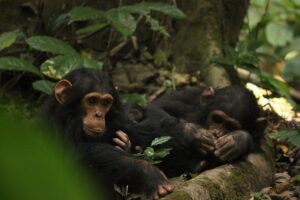
Goodall documented the chimpanzees’ sophisticated social behaviours, from tender nurturing to brutal territorial warfare. She revealed their capacity for compassion, grief, and strategic thinking through decades of meticulous research. Her extraordinary work earned her a PhD from Cambridge University without requiring an undergraduate degree, an exceptional academic achievement. Establishing the Jane Goodall Institute in 1977 created a powerful platform for global conservation efforts and community-led initiatives.
As an environmental activist.
Witnessing habitat destruction and declining chimpanzee populations transformed Goodall from researcher to relentless environmental activist. She began travelling worldwide, advocating for sustainable coexistence between humanity and nature with urgent passion. Her Roots & Shoots program, launched in 1991, has empowered youth across more than one hundred countries to implement local conservation projects. This global movement reflects her unwavering belief in young people’s power to drive positive change for our planet.
Goodall’s remarkable influence extended far beyond scientific circles into international diplomacy and culture. She served as a UN Messenger of Peace while authoring numerous bestselling books for all age groups. Her numerous honors include the Templeton Prize, the Hubbard Medal, and damehood from Queen Elizabeth II. She received the Presidential Medal of Freedom in recognition of her transformative contributions to science and conservation.
The Indian connection
Though Jane Goodall’s fieldwork was centered in Africa, her profound connection to India is rooted in a shared philosophical heritage. The principle of ahimsa (non-violence) and the reverence for nature found in Indian traditions align seamlessly with her life’s work. She visited India multiple times, drawing large, inspired audiences and meeting with conservationists, students, and spiritual leaders.
During her visits, she often expressed admiration for India’s rich biodiversity and ancient cultural practices that emphasise living in harmony with the natural world. She has collaborated with Indian environmentalists and educational institutions, inspiring a new generation of Indian conservationists through her Roots & Shoots initiative. The program actively engages Indian youth in community-based projects focused on protecting local wildlife, reforestation, and sustainable living, directly applying her global vision to local Indian contexts.
‘Vanya Bharat’ embodies Dr. Jane Goodall’s vision for compassionate conservation through Roots & Shoots India. This dynamic initiative empowers young Indians to protect the nation’s natural heritage through immersive wilderness experiences. It blends indigenous ecological wisdom with practical conservation action across diverse landscapes. From Himalayan heights to Sundarbans’ mangroves, it rebuilds our bond with nature. The program also cultivates young wildlife photographers and storytellers whose powerful imagery drives environmental change. More than a project, Vanya Bharat is a growing movement inspiring youth to observe, engage, and become lifelong stewards of India’s wild spaces.
Furthermore, Dr. Goodall’s holistic view—that the well-being of people, animals, and the environment are interconnected—echoes the concept of Vasudhaiva Kutumbakam (the world is one family). This philosophical parallel makes her work particularly impactful in the Indian subcontinent, where her calls for sustainable living and ethical treatment of animals find a receptive and culturally attuned audience.
Goodall, the globetrotter with a cause
Even in her final years, Goodall maintained an exhausting schedule of three hundred annual travel days advocating for Earth. Her message consistently blended stark environmental warnings with profound hope in human ingenuity and compassion. The ongoing research at Gombe represents the world’s longest-running continuous wild chimpanzee study today. Her incredible legacy lives through every individual she inspired to protect our fragile natural world.

Jane Goodall’s life demonstrated how one determined person can create monumental change through persistent action. She redefined humanity’s relationship with nature while championing interdisciplinary solutions to environmental crises. Her timeless legacy will continue guiding future generations toward greater ecological awareness and responsibility for all living beings.

Give exists to alleviate poverty by enabling the world to give. Established in 2000, Give, together with its partners, is the largest and most trusted giving platform in India. Give enables individuals and organizations to raise and donate funds conveniently to any cause they care about, with offerings including crowdfunding, corporate giving, cause marketing, and philanthropy consulting. Give’s community of 2.6M+ donors supports 3,000+ verified nonprofits, serving 15M+ people across the country.