
EVERY year on November 19, the world pauses to acknowledge something most of us take for granted—toilets. World Toilet Day, established as a United Nations Observance in 2013, is not just symbolic. It’s an urgent call to action to tackle the global sanitation crisis and achieve Sustainable Development Goal 6: water and sanitation for all by 2030.
The numbers are staggering. Globally, 3.5 billion people still live without safely managed sanitation. Of these, 419 million practice open defecation—relieving themselves in fields, bushes, or open water bodies. This isn’t just a matter of dignity; it’s a public health emergency.
When sanitation services are destroyed, damaged, or disrupted—whether by conflict, climate change, or neglect—untreated human waste spreads into the environment, unleashing deadly diseases like cholera, typhoid, and dysentery. Sanitation services create a critical barrier between us and our waste, safeguarding both public and environmental health.
This year’s World Toilet Day focus is particularly urgent: for billions of people, sanitation is under threat from conflict, climate change, disasters, and neglect.
India’s sanitation journey: The Swachh Bharat Mission
India knows this crisis intimately. In 2014, when the Swachh Bharat Mission (Clean India Mission) was launched by Prime Minister Narendra Modi, over 550 million Indians practiced open defecation—more than any other country in the world. Rural India, in particular, lacked basic toilet infrastructure, and the health, safety, and dignity implications were severe, especially for women and girls.
The Swachh Bharat Mission aimed to change this reality. Through a massive nationwide campaign, the government focused on building household toilets across rural and urban India, changing mindsets and behaviour around sanitation through awareness campaigns, ensuring waste management systems to safely treat human waste, and mobilising communities to take ownership of cleanliness and sanitation.
By October 2019, India declared itself open defecation free (ODF), constructing over 100 million toilets in rural areas alone. This was a remarkable achievement—a transformation that touched the lives of millions, particularly women who no longer had to wait for darkness to relieve themselves or risk their safety.
Pink Toilets: A step towards gender-sensitive sanitation
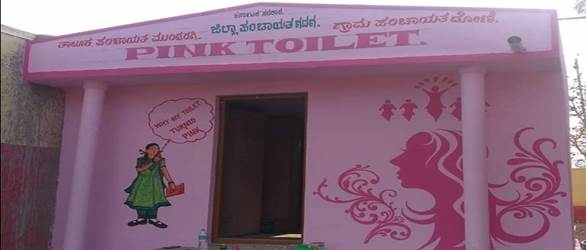
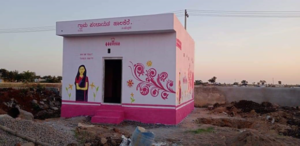
Recognising that sanitation needs differ for women and girls, several Indian states have introduced ‘Pink Toilets’—specially designed public facilities exclusively for women. These toilets, painted pink for easy identification, are equipped with features like sanitary napkin vending machines, disposal units, diaper changing stations, and sometimes even feeding rooms for nursing mothers.
States like Karnataka, Maharashtra, Madhya Pradesh, Uttar Pradesh, and Delhi have rolled out pink toilets in public spaces, markets, bus terminals, and railway stations. These facilities address a critical gap: women often avoid using public toilets due to poor maintenance, lack of privacy, or safety concerns. Pink toilets provide a safe, clean, and dignified space, encouraging women to participate more freely in public life without worrying about basic sanitation needs.
The initiative also recognises menstrual hygiene as an integral part of women’s sanitation. Many pink toilets include provisions for menstrual waste disposal and hygiene products, helping to break the stigma around menstruation and ensuring girls don’t miss school during their periods.
Why sanitation still matters
But the journey doesn’t end with building toilets. Sustaining this progress requires continuous effort. Safe sanitation prevents the spread of diseases. In India, diarrheal diseases remain a leading cause of child mortality, and proper sanitation and hygiene can dramatically reduce these deaths.
Access to toilets is a matter of basic human dignity. For women and girls, lack of toilets means vulnerability to harassment and assault. It also affects school attendance, as adolescent girls often drop out when schools lack proper sanitation facilities. The introduction of gender-sensitive facilities like Pink Toilets is helping to address these challenges, but much more needs to be done.

Untreated human waste contaminates water sources, soil, and food chains. Proper sanitation protects our rivers, groundwater, and ecosystems. Poor sanitation also costs India billions annually in healthcare expenses, lost productivity, and premature deaths. Investing in sanitation is investing in economic development.
While India has made tremendous strides, challenges remain. Many rural toilets fall into disrepair due to lack of water supply or maintenance. Building toilets is one thing; ensuring people use them consistently is another. Cultural practices and mindsets take time to shift.
Toilets are only effective if connected to proper waste treatment systems. Faecal sludge management remains a gap in many areas. Floods, droughts, and extreme weather events threaten sanitation infrastructure, particularly in vulnerable communities.
Swachh Bharat Mission Phase II, launched in 2020, addresses these gaps by focusing on sustainability, solid and liquid waste management, and ensuring no one is left behind.
What World Toilet Day teaches us
World Toilet Day reminds us that sanitation is not a luxury—it’s a fundamental human right. It’s about health, dignity, gender equality, and environmental sustainability all rolled into one.
For India, the Swachh Bharat Mission demonstrated what’s possible when political will, community participation, and sustained effort come together. The introduction of Pink Toilets shows that sanitation solutions must be inclusive and gender-sensitive. But the mission is far from over. As climate change and population growth put increasing pressure on sanitation systems, we must remain vigilant and committed.
On this World Toilet Day, let’s remember the 3.5 billion people still waiting for safe sanitation. Let’s honor the progress India has made while acknowledging the work that remains. And let’s commit to ensuring that every person—regardless of where they live or their gender—has access to a safe, clean toilet.
Because sanitation isn’t just about toilets. It’s about giving every human being the chance to live with health, safety, and dignity.
This World Toilet Day, let’s keep the conversation going. Because talking about toilets can save lives.

Give exists to alleviate poverty by enabling the world to give. Established in 2000, Give, together with its partners, is the largest and most trusted giving platform in India. Give enables individuals and organizations to raise and donate funds conveniently to any cause they care about, with offerings including crowdfunding, corporate giving, cause marketing, and philanthropy consulting. Give’s community of 2.6M+ donors supports 3,000+ verified nonprofits, serving 15M+ people across the country.