
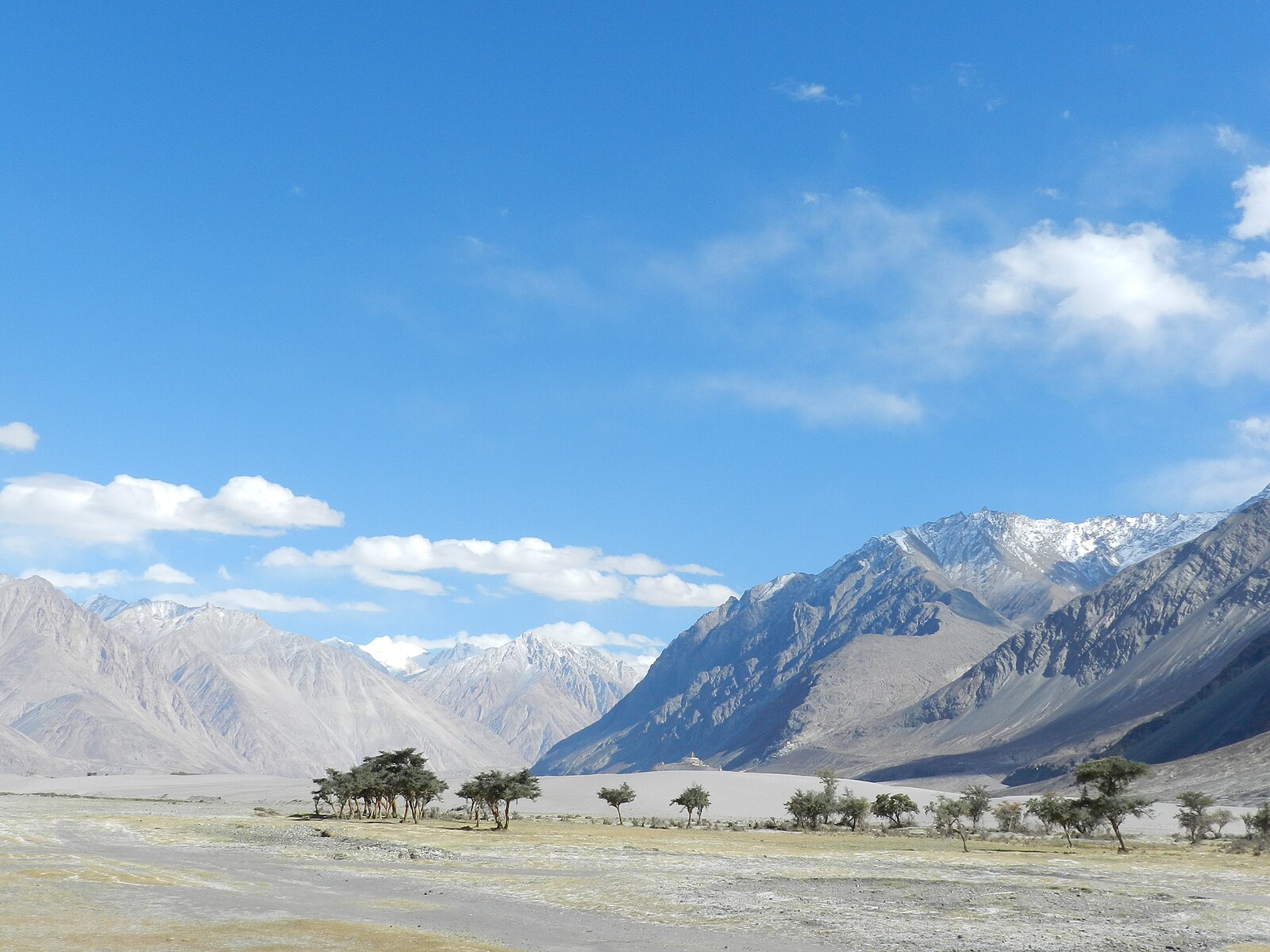
IN a moment of immense national pride, India’s conservation efforts have received a significant global endorsement. UNESCO has designated India’s Cold Desert Biosphere Reserve as a new member of its World Network of Biosphere Reserves. This was announced at the conclusion of the World Congress of Biosphere Reserves in Hangzhou, China. The Cold Desert Biosphere Reserve places a vital Indian ecosystem on the world map. It recognises its unique biodiversity and the innovative sustainable practices of its communities. The Cold Desert Biosphere Reserve stretches across the Himalayas, from Ladakh in Jammu & Kashmir in the north to Kinnaur in Himachal Pradesh in the south.
This recognition is more than just an accolade. It is a powerful affirmation of India’s commitment to preserving its most fragile and extraordinary environments. The inclusion highlights a successful model of balancing ecological preservation with human habitation. The area in one of the planet’s most challenging terrains.
Biosphere Reserves: A Global Solution for a Planet in Crisis
As the world grapples with interconnected climate and biodiversity crises, UNESCO Biosphere Reserves offer a beacon of hope. These are not merely protected zones where human activity is restricted. Instead, they are dynamic “living laboratories” where local communities, scientists, and governments collaborate to pioneer sustainable ways of living in harmony with nature. The designation of India’s Cold Desert Biosphere Reserve strengthens this network, adding a unique high-altitude desert ecosystem to this global tapestry of conservation.
UNESCO-designated biosphere reserves in India
UNESCO’s World Network of Biosphere Reserves serves as a global benchmark for balancing conservation with sustainable development. And India contributes significantly to this network with 13 internationally recognised sites. These designations highlight areas where unique biodiversity is preserved alongside the cultural practices of local communities, acting as living laboratories for harmonious coexistence. UNESCO list showcases India’s incredible geographical diversity, ranging from the cold desert austerity of the Himalayas to the lush tropical rainforests of the Western Ghats. The vast coastal mangroves of the Sundarbans. Iconic reserves include the Sundarbans, home to the majestic Royal Bengal Tiger and the Nilgiri Biosphere Reserve, a biodiversity hotspot are part of it. In the north east, the Khangchendzonga Reserve, which integrates the profound cultural heritage of Sikkim with its stunning alpine landscapes also makes the cut. Other notable mentions are the Gulf of Mannar’s marine ecosystem, the Nanda Devi National Park’s pristine wilderness, and the Similipal Tiger Reserve.
UNESCO’s Man and the Biosphere (MAB)
Each of these reserves is part of India’s participation in UNESCO’s Man and the Biosphere (MAB) programme. This reflects a national commitment to environmental stewardship. They are not just protected areas but active spaces for research, monitoring, and empowering local communities, demonstrating a model for sustainable development that the world urgently needs. These 13 reserves are a point of national pride, representing India’s dedication to preserving its natural heritage for future generations.
The Landscape of Extremes: Understanding India’s Cold Desert Biosphere Reserve
So, what exactly is India’s Cold Desert Biosphere Reserve? This breathtaking cultural landscape stretches across the Himalayas, from Ladakh in Jammu & Kashmir in the north to Kinnaur in Himachal Pradesh in the south. The region is a cold desert biome, a classification attributed to two primary factors. First, its location on the leeward side of the Himalayas creates a rain-shadow zone. This makes it inaccessible to the moisture-laden monsoon winds that sweep the rest of India. Second, its staggering elevation, ranging from 3,000 to over 5,000 meters above sea level, contributes to its intensely cold and arid environment.
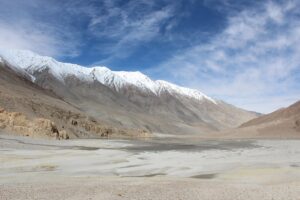
The climatic conditions are harsh, with short, dry summers giving way to long, bitterly cold winters. The temperatures can plummet to -32°C. This, combined with minimal precipitation, results in a stark, bare landscape with short growing seasons. It is within this demanding environment that a unique civilisation has not only survived but thrived. It has developed a culture and lifestyle in remarkable synchrony with nature—a key reason for the global significance of India’s Cold Desert Biosphere Reserve.
A Tapestry of Culture and Faith in a Harsh Land
The human settlements within India’s Cold Desert Biosphere Reserve are testaments to resilience. Small, isolated, and sparsely populated, they are nestled in valleys near glacier-fed streams, strategically placed to escape the harsh winds. The population, predominantly of Indo-Mongoloid (Tibetan) origin, practices a distinct form of Buddhism that permeates every aspect of life.
The region is dotted with ancient monasteries, or Gompas—such as Hemis, Thikse, and Tabo. These serve as the cultural and spiritual heart of the community. These architectural marvels, often perched atop hills, are centers of learning, art, and community gathering. The intangible heritage is equally rich, from the Buddhist chanting of Ladakh (already inscribed on UNESCO’s Intangible Cultural Heritage list) to traditional practices in medicine (Amchi system), agriculture, and intricate crafts like thangka painting.
This profound connection between culture and environment is a hallmark of India’s Cold Desert Biosphere Reserve. Region’s landscape is also defined by chortens (stupas) and mani walls (stone structures inscribed with prayers), seamlessly blending spiritual expression with the physical world.
A Sanctuary for Rare and Endangered Life
The natural heritage of India’s Cold Desert Biosphere Reserve is of outstanding universal value. This fragile ecosystem hosts a complex relationship of climatic and geomorphological processes. It supports a highly endemic and rare diversity of flora and fauna. The region is a critical habitat for iconic and endangered species such as the elusive Snow Leopard, the Tibetan Antelope, and the Himalayan Wolf.
Recognising this ecological treasure, the Government of India had already declared the area the country’s 16th Biosphere Reserve in 2009. It incorporated protected areas like the Pin Valley National Park and the Kibber Wildlife Sanctuary. The UNESCO designation now provides a global platform for the conservation of this unique biome. The survival of these species is intricately linked to the traditional pastoral and agricultural practices of the local communities. They showcase a symbiotic relationship that the biosphere reserve model aims to protect.
A profound responsibility
The UNESCO designation for India’s Cold Desert Biosphere Reserve is a proud moment for the nation. The designation is also a profound responsibility for the country as a whole. It brings international attention and a framework for strengthened conservation, sustainable development, and scientific research. This also validates the wisdom of the local communities who have been the guardians of this land for centuries.
This recognition underscores that places like India’s Cold Desert Biosphere Reserve are not remote, isolated frontiers but are crucial to global biodiversity and cultural heritage. They are classrooms for the world, teaching lessons in resilience, sustainability, and living in harmony with our planet. As we celebrate this achievement, it reinforces our collective duty to support the preservation of this magnificent and vulnerable part of our world. The story of India’s Cold Desert Biosphere Reserve is now a story for all of humanity.

Give exists to alleviate poverty by enabling the world to give. Established in 2000, Give, together with its partners, is the largest and most trusted giving platform in India. Give enables individuals and organizations to raise and donate funds conveniently to any cause they care about, with offerings including crowdfunding, corporate giving, cause marketing, and philanthropy consulting. Give’s community of 2.6M+ donors supports 3,000+ verified nonprofits, serving 15M+ people across the country.
Discover more from
Subscribe to get the latest posts sent to your email.