
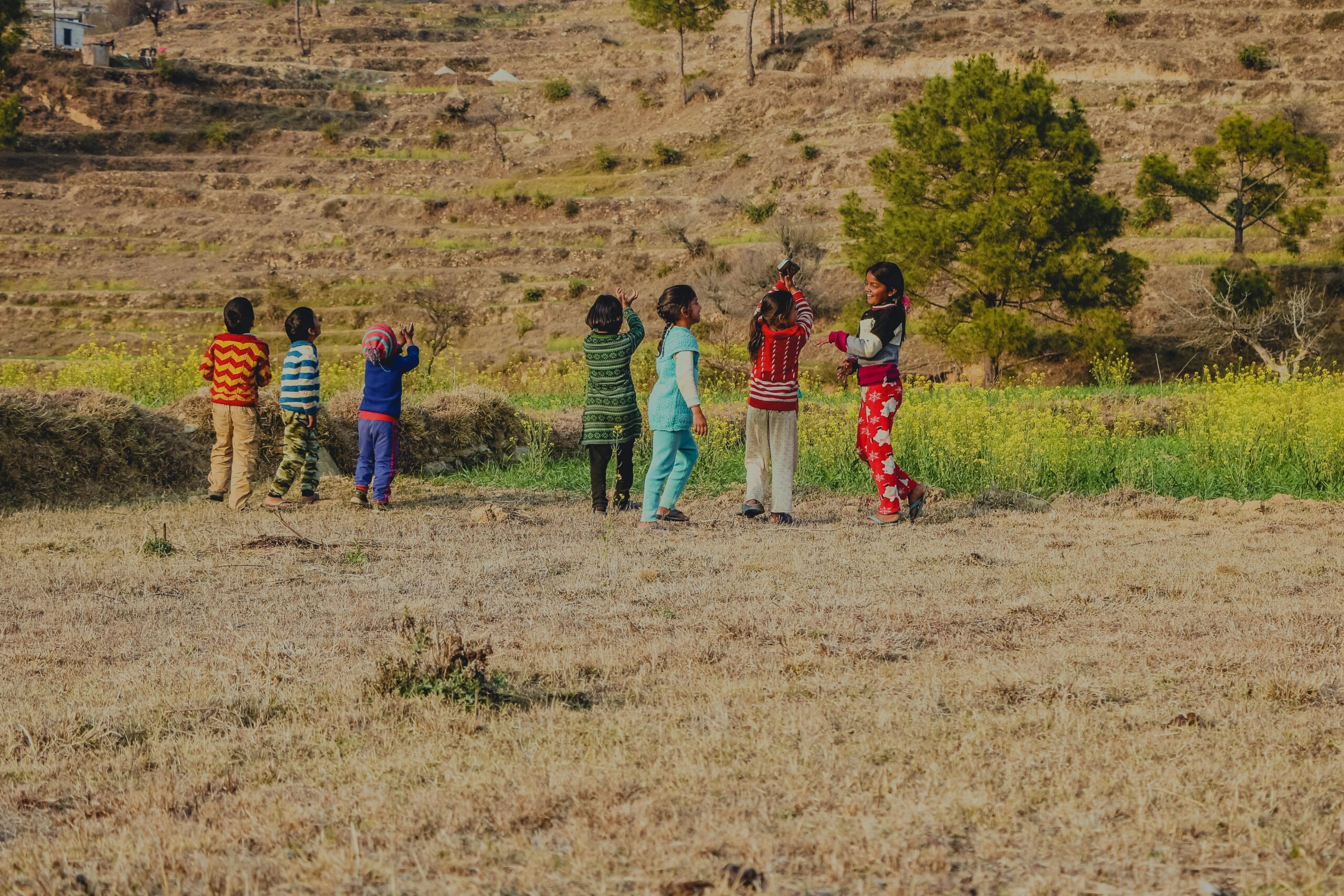
EVERY year on October 11, the world comes together to observe the International Day of the Girl Child—a day dedicated to recognising the rights, challenges, and immense potential of girls everywhere. This observance isn’t merely symbolic; it represents a global commitment to ensuring that every girl has the opportunity to thrive, lead, and shape the future.
The journey toward recognising girls’ rights as distinct and essential began in 1995 at the World Conference on Women in Beijing. There, countries unanimously adopted the Beijing Declaration and Platform for Action. This marked a watershed moment in the fight for gender equality. This groundbreaking document was the first to specifically call out girls’ rights. It acknowledged that the challenges faced by girls require targeted attention and action separate from broader women’s issues.
Building on this momentum, the United Nations General Assembly adopted Resolution 66/170 on December 19, 2011. It officially declaring October 11 as the International Day of the Girl Child. This designation serves a critical purpose: to shine a spotlight on the unique obstacles girls face worldwide and to accelerate efforts toward their empowerment and the fulfillment of their human rights.
Why Adolescent Girls Matter
Adolescence represents a pivotal period in every girl’s life—a time of transformation, possibility, and vulnerability. During these formative years, girls have the fundamental right to safety, education, and health. When these rights are protected and nurtured, the ripple effects extend far beyond the individual girl.eeeeeee
Effectively supported adolescent girls become powerful agents of change. They evolve into tomorrow’s workers, entrepreneurs, mothers, mentors, household heads, and political leaders. An investment in adolescent girls isn’t just about upholding their rights today; it’s about building a more equitable and prosperous future for everyone. When half of humanity becomes an equal partner in addressing global challenges—from climate change and political conflict to economic growth and disease prevention—solutions become more innovative, inclusive, and sustainable.
Breaking Boundaries, Creating Futures
Today’s girls are not waiting for permission to change the world. They are shattering stereotypes and dismantling barriers, including those faced by girls with disabilities and those from marginalized communities. As entrepreneurs, innovators, and initiators of global movements, girls are actively creating a world that reflects their values and serves future generations.
From leading climate strikes to developing technological solutions, from advocating for education rights to challenging discriminatory practices, girls are proving that age is no barrier to impact. Their voices are growing louder, their actions more visible, and their influence undeniable. This International Day of the Girl Child, we should also celebrate this.
The Path Forward: Sustainable Development Goals
The 2030 Agenda for Sustainable Development, adopted by world leaders in 2015, provides a comprehensive roadmap for progress through its 17 Sustainable Development Goals (SDGs). Crucially, achieving gender equality and women’s empowerment isn’t confined to a single goal—it’s integral to all seventeen.
This interconnected approach recognizes a fundamental truth: sustainable progress requires ensuring the rights of women and girls across every dimension of development. We should not lose sight of the fact this International Day of the Girl Child. Whether addressing poverty, hunger, health, education, or environmental sustainability, gender equality must be woven into the solution. Only through this inclusive approach can we achieve true justice, build economies that work for everyone, and protect our shared environment for current and future generations.
The Indian Context: Progress and Persistent Challenges
In India, the situation of girls presents a complex picture of progress alongside persistent challenges. Despite significant strides in education and health, Indian girls continue to face deeply entrenched obstacles. The country still grapples with issues like child marriage, gender-based violence, and educational dropout rates that disproportionately affect girls, particularly in rural areas.
The preference for sons remains a cultural reality in many communities, manifesting in skewed sex ratios and unequal resource allocation within families. Girls often bear the burden of household responsibilities, limiting their educational opportunities and future prospects. Access to menstrual hygiene products and safe sanitation facilities continues to impact school attendance, while early marriage disrupts education and perpetuates cycles of poverty.
However, there are encouraging signs of change. Government initiatives like Beti Bachao Beti Padhao (Save the Daughter, Educate the Daughter) have raised awareness about the value of girls. Increased school enrollment rates, scholarships specifically for girls, and campaigns against child marriage demonstrate growing commitment to girls’ empowerment. Indian girls are increasingly visible in sports, STEM fields, and leadership positions, challenging traditional norms and inspiring the next generation.
How You Can Help Girls Out of School
The statistics are sobering: 40% of girls aged 15-18 don’t attend school in India, while 30% of girls from poor families have never stepped inside a classroom. In rural India, the female literacy rate stands at just 65%. Behind these numbers are 30 million girls whose potential remains untapped, whose dreams remain deferred.
But here’s the transformative truth: when you invest in a girl’s education, you’re not changing just one life—you’re creating a ripple effect that transforms families, communities, and the nation itself.
Join Give.do’s Mission: Every Girl in School
Give.do is committed to ensuring that every girl in India has access to quality education. Through partnerships with trusted, vetted NGO partners, we’re working to bring education to millions of girls currently out of school.
Your monthly donation of ₹1,000 can transform a girl’s life. This amount covers books, uniforms, school fees, and meals—everything needed to keep one girl in school until she graduates. It’s a comprehensive support system that removes the barriers preventing girls from accessing education.
The Lasting Impact of Your Contribution
When you educate a girl, you create change that echoes across generations:
Lowers Dropout Rates: By covering schooling costs, you prevent poverty from robbing girls of their educational opportunities.
Prevents Child Marriage: Education is a powerful shield—educated girls are six times less likely to marry early or bear children before reaching adulthood.
Increases Family Income: Secondary education dramatically boosts a girl’s lifetime earnings, lifting entire families out of poverty.
Be the Change
Every girl deserves the chance to learn, grow, and achieve her dreams. By becoming a monthly donor to Give.do’s “Every Girl in School” mission, you become part of a movement that believes education is not a privilege but a fundamental right.
Don’t just witness change—be the catalyst for it. Join us today and help write a new story for millions of girls across India.
The International Day of the Girl Child reminds us that empowering girls isn’t a women’s issue or a children’s issue—it’s a human issue that demands collective action. When we invest in girls’ education, health, safety, and rights, we invest in a better world for everyone.
As we observe this day, let us recommit to creating environments where every girl can dream without limits, learn without barriers, and lead without apology. The future belongs to those who invest in it today—and that investment must include every girl, everywhere.

Give exists to alleviate poverty by enabling the world to give. Established in 2000, Give, together with its partners, is the largest and most trusted giving platform in India. Give enables individuals and organizations to raise and donate funds conveniently to any cause they care about, with offerings including crowdfunding, corporate giving, cause marketing, and philanthropy consulting. Give’s community of 2.6M+ donors supports 3,000+ verified nonprofits, serving 15M+ people across the country.
Discover more from
Subscribe to get the latest posts sent to your email.