
AMONG all the fundamental human rights we speak about, education, equality, freedom, dignity, the right to food remains one of the most significant. It is the foundation upon which all other rights can be exercised. Without access to adequate, nutrition and food, a child cannot learn, a parent cannot work, and a community cannot thrive. Food is not merely a need, it is a right that shapes health, opportunity, and dignity. Yet, millions around the world, including in India, still struggle for a basic meal each day. On International Human Rights Day, it becomes even more important to acknowledge that ensuring the right to food is not just an act of charity, but a matter of justice and humanity.
Observed every year on December 10, International Human Rights Day marks the anniversary of the adoption of the Universal Declaration of Human Rights (UDHR) in 1948, It is a historic document that established universal protection for the rights and freedoms of all individuals. The purpose of this day is to remind us of the global commitment to safeguard rights such as life, liberty and equality. And yes, the right to adequate food and living conditions. The day serves not only as a celebration of progress but also as a call to action, urging governments, communities, and individuals to uphold and advocate for these rights. Hunger, in particular, continues to be one of the most pressing violations of human rights. The UDHR recognises food as a fundamental necessity. Yet decades later, the gap between commitment and reality persists. International Human Rights Day is a powerful moment to reflect on this gap and mobilize efforts to close it.
Understanding hunger in India: A challenge that cannot be ignored
Despite being one of the world’s fastest-growing economies, India continues to battle hunger and malnutrition. Millions of families struggle daily to secure even one nutritious meal. According to global hunger assessments, India consistently ranks among countries grappling with high levels of food insecurity. Children are especially vulnerable; malnutrition affects their physical growth, cognitive development, and overall health for life. For families living below the poverty line, seasonal unemployment, rising food prices, and limited access to social welfare schemes make daily survival a daunting task.
Hunger is not just a statistic, it is a barrier that prevents people from breaking free from poverty. A hungry child is less likely to attend school, and a hungry worker is less productive. A hungry community is less equipped to overcome crises. This constant cycle makes the fight against hunger critical for India’s progress. For NGOs and community organisations working on the ground, the mission is not just to provide food but to restore dignity and ensure that no one is forced to endure the pain of an empty stomach.
Why monthly support matters: Mission Feeding The Hungry
In response to this urgent need, give.do has introduced a powerful initiative, mission ‘Feed The Hungry’, created to provide consistent and reliable meals to individuals and families who need them the most. Unlike one-time giving, monthly donations ensure steady support, allowing NGOs to plan better, prepare meals sustainably, and reach more people throughout the year.
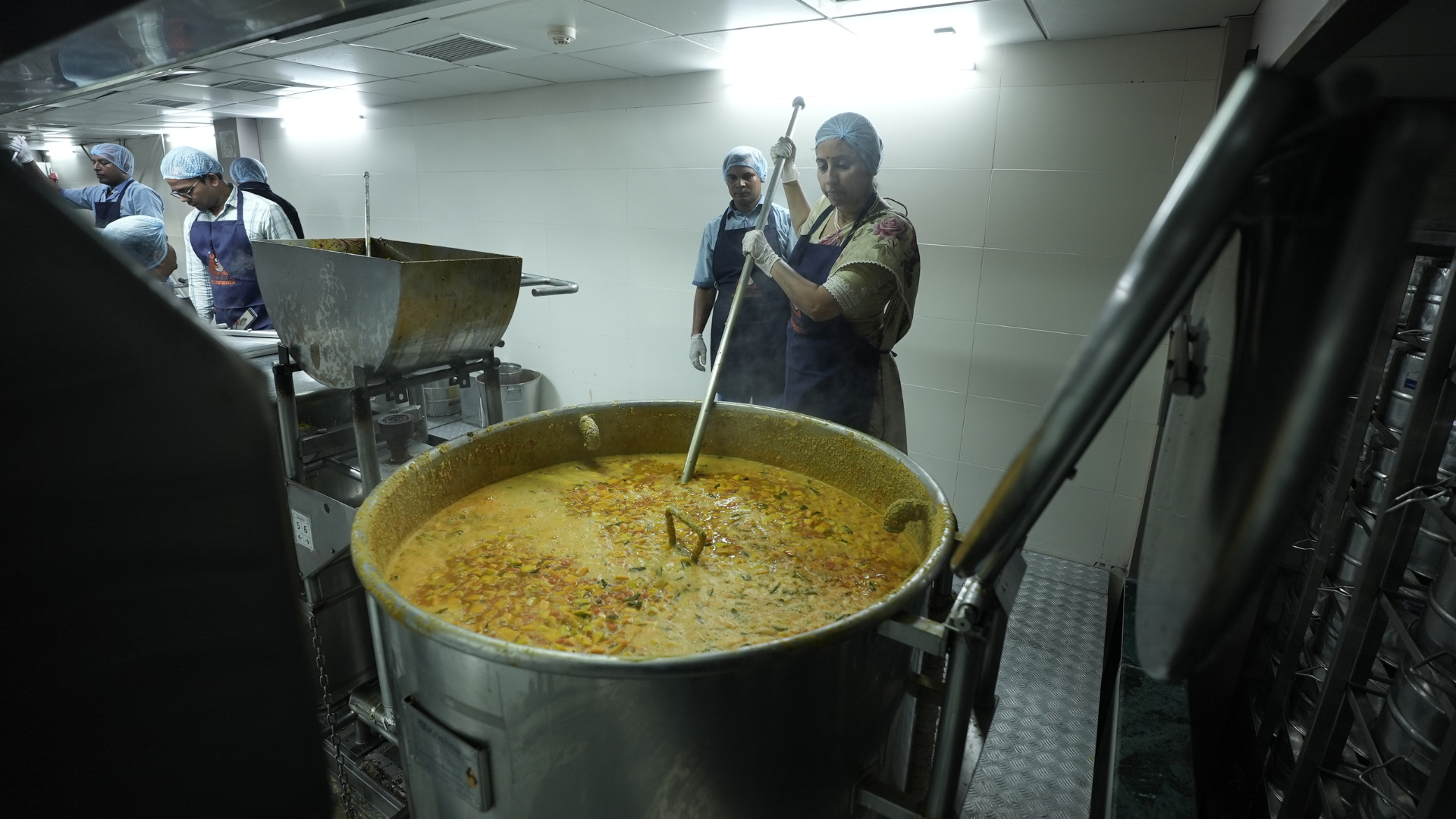
Through this programme, give.do partners with trusted NGOs such as and Rise Against Hunger, organisations deeply committed to the belief that no one should ever go to bed hungry. For years, these NGOs have been nourishing children, the elderly, and underserved communities across India with fresh, wholesome meals. Their work goes beyond feeding, it uplifts communities, improves school attendance, and strengthens health outcomes for thousands of vulnerable individuals.
Monthly donors play a transformative role in making this mission possible. Their contributions help fund daily meal distributions, maintain kitchen operations, procure high-quality ingredients, and expand outreach to more remote or underserved areas. A predictable donation stream is the backbone of large-scale hunger-relief efforts, ensuring no disruption in meal programmes even during emergencies or economic fluctuations.
How your support creates real impact
Every meal provided through the ‘Feed the Hungry’ programme represents hope and relief. A plate of food can brighten a child’s school day, ease a mother’s worries, or help an elderly person live with dignity. The ripple effect of a single meal extends far beyond a moment of nourishment, it influences physical health, emotional well-being, and the ability to work, learn, and grow.
Many donors choose Give.do because it is one of India’s most reliable online fundraising platforms, known for transparency, verified NGO partnerships, and secure giving. By joining the monthly donation programme, supporters become part of a compassionate community dedicated to ending hunger, one meal at a time. It’s a simple act, yet profoundly impactful.
This Human Rights Day—Take a stand for the right to food
As we honour International Human Rights Day, we are reminded that the right to food is universal, non-negotiable, and essential for human dignity. Ending hunger is not merely about distributing meals; it is about affirming that every human life deserves nourishment, care, and opportunity.
You can be part of this change. By supporting Give.do’s ‘Feed the Hungry’ monthly donation programme, you help ensure that families across India receive the meals they need, today, tomorrow, and every day. A small monthly contribution can transform lives. A steady commitment can build a hunger-free future.
Click the link now to join us today. Because no one should ever go to bed hungry.

Choosing to tread the proverbial road less travelled, Ramon embarked upon a career in journalism and spent over 8 years working for various media organisations. A deeper calling to create a sustainable impact in the lives of the less fortunate compelled him to join the social sector. Ramon is a minimalist at heart and an explorer in spirit.
Discover more from
Subscribe to get the latest posts sent to your email.