
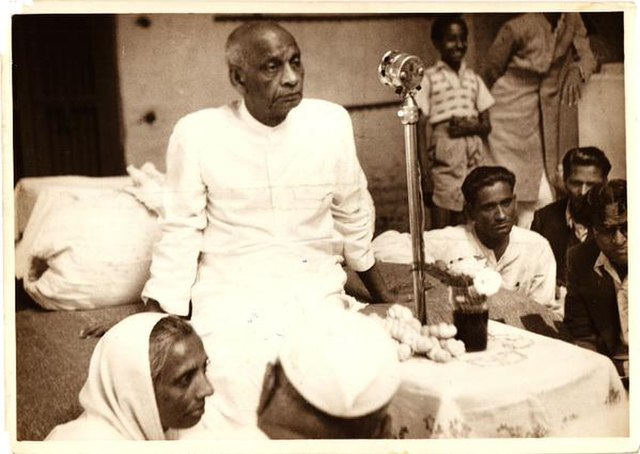
EVERY October 31st, India celebrates National Unity Day, also known as Rashtriya Ekta Diwas. This day honours Sardar Vallabhbhai Patel’s birthday. We remember him as the “Iron Man of India.” He unified over 560 princely states into the Indian Union. Yet beneath this image of political strength lies another powerful identity. Patel was a visionary social reformer whose commitment to social justice transformed millions of lives. His life exemplifies how principled leadership creates transformative social change. On National Unity Day, we celebrate not just territorial integration but his vision for social unity.
The early foundation in social work
Patel was born on October 31, 1875, in Nadiad, Gujarat. This date is now celebrated as Rashtriya Ekta Diwas or National Unity Day. His journey from practicing lawyer to national leader shaped his identity as a social reformer. Deep empathy for ordinary people’s struggles marked his early life. He understood the hardships farmers, workers, and the rural poor faced.
His close association with Mahatma Gandhi profoundly influenced his worldview. Gandhi instilled in him values of truth, non-violence, and service to humanity. As a social reformer, Patel developed a leadership style characterized by pragmatism and courage. He built an inclusive vision that integrated diverse communities into the national fabric.
Patel’s vision extended far beyond political boundaries. He believed true nation-building required addressing deep-rooted social inequalities. The spirit of National Unity Day reflects this comprehensive vision. Unity meant more than territorial integration. It meant social cohesion across caste, creed, and gender. For Patel, social justice was not merely theoretical. It was a fundamental prerequisite for true freedom and national progress.
Fighting Oppression: A social reformer in action
Patel’s commitment to social justice wasn’t confined to rhetoric. His actions on the ground reflected his beliefs. His leadership during the Bardoli Satyagraha of 1928 stands as a significant example. The British government imposed a harsh 22% tax increase on farmers. Patel organised the peasants into a powerful collective force. They refused to pay the unjust taxes.
The movement succeeded in forcing the government to withdraw the tax increase. But Patel’s inclusive approach as a social reformer made it truly remarkable. He traveled from village to village. Patel listened to grievances and documented hardships and built solidarity among communities divided by caste and social hierarchies.
The ‘Iron Man’ actively consulted with women during the movement and encouraged their involvement in planning and execution. He publicly recognised their leadership. This was a radical step when women’s roles were confined to the domestic sphere.
The Bardoli movement demonstrated Patel’s understanding as a social reformer. Oppression could only be challenged through collective action. He mobilised people across caste, creed, and gender lines. Unity in diversity became a practical strategy for advancing social justice. This is why we observe Rashtriya Ekta Diwas on his birthday. The success of Bardoli earned him the title “Sardar” (leader). It set a precedent for community-led resistance against injustice.
During the Kheda Satyagraha, this dedicated social reformer stood with farmers. They fought against oppressive revenue collection during crop failure and famine. His advocacy went beyond immediate relief. He fought for systemic changes to prevent future exploitation. These movements restored dignity to marginalized communities. They showed that organized people could challenge powerful authorities.
Economic Empowerment: The social reformer’s blueprint
Patel understood that political freedom without economic self-reliance was incomplete. His vision for economic social justice found expression in the cooperative movement. This initiative transformed thousands of farmers’ lives and it became a model for economic empowerment across India. It cemented his legacy as a pioneering social reformer.
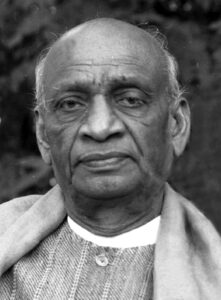
In the 1940s, farmers in Gujarat’s Kheda district faced exploitation. Private milk contractors fixed artificially low prices. They controlled the market completely. These middlemen held a monopoly. Farmers had little bargaining power and meager returns.
Patel recognised their plight. Ever the practical social reformer, he advised farmers to organize into cooperatives. They could bypass exploitative middlemen and they could directly market their milk.
Practical and yet a visionary
Patel’s approach as a social reformer was both visionary and practical. He recommended farmers establish their own pasteurisation plant. If necessary, they should launch a “milk strike” to demand fair treatment. With help from Morarji Desai, they mobilised village-level milk cooperatives. These societies federated to form the Kaira District Co-operative Milk Producers’ Union Limited. Later known as Amul, it became a transformative model.
The “Anand Pattern” was revolutionary in structure and democratic principles. It organized primary dairy cooperatives at the village level. These federated into district unions. These formed state-level marketing federations. This three-tier structure empowered farmers completely. They collectively owned and managed the entire value chain. This ensured fair prices, transparency, and profit-sharing.
Women became primary stakeholders. It built community resilience in rural India. The model inspired similar cooperatives nationwide. The government institutionalized this approach through the National Dairy Development Board. Operation Flood transformed India into a major milk producer.
Patel’s vision for cooperatives as a social reformer extended beyond dairying. He saw them organising economic activity in rural India. They linked credit, production, and marketing societies. They provided comprehensive support to farmers and artisans. The cooperative model championed Gandhian ideals of Gram Swaraj. Self-sufficient, democratically managed villages were the goal. It emphasized collective ownership and decentralised decision-making. It uplifted the weakest members of society. These were core principles of social justice.
Today, the Sardar Patel Cooperative Dairy Federation Limited continues this legacy. It unifies and empowers millions of small milk producers across the country.
Championing gender equality: A progressive social reformer
As a progressive social reformer, Patel was remarkably ahead of his time. He recognised that national progress linked directly to women’s advancement and advocated steadfastly for women’s education and empowerment. He promoted their participation in public life. These were key components of his vision for social justice. His commitment reflected in concrete actions and institutional support.
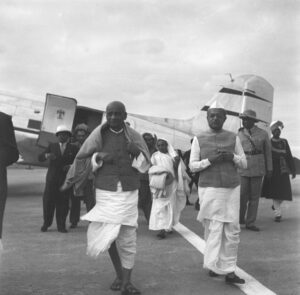
Patel consistently emphasized that girls’ education went beyond literacy. It developed character, self-reliance, and meaningful contribution to society. He supported educational institutions for girls. Vitthal Kanya Vidyalaya and Kanya Vidya Bhavan received his backing. These schools offered more than academic learning. They nurtured discipline, hard work, and self-confidence among female students.
He famously stated that “the chariot of life runs on two wheels.” Yet India had been “crippled for two hundred years.” One wheel had been left useless. This powerful metaphor captured his belief as a social reformer. Neglecting women’s education and empowerment had held back the entire nation. He challenged traditional gender roles forcefully and advocated for equal opportunities for girls and boys. He criticised discrimination that limited girls’ access to education and public life.
Women and Bardoli Satyagraha
Patel’s mobilisation of women during Bardoli Satyagraha set a groundbreaking precedent. Women weren’t just participants. They were active strategists and leaders in the movement. This inclusive approach was revolutionary for its time. It demonstrated that women could play decisive roles in shaping society. They could challenge injustice effectively. The movement’s success publicly acknowledged women’s leadership and courage. It inspired their continued involvement in India’s freedom struggle and civic life.
This forward-thinking social reformer supported legislative reforms like the Hindu Code Bill. It promoted gender equality and women’s rights and addressed matters of inheritance, marriage, and property. His support reflected his belief in social justice. Every citizen deserved equal treatment under law, regardless of gender. He promoted women’s self-reliance and wanted them capable of self-defense. He wanted them imbued with strong moral values. This would prepare them as leaders and change-makers in their communities.
Patel’s vision for women’s empowerment was holistic. It encompassed education, legal rights, and economic participation. It demanded social respect. He believed true Swaraj and national progress required women’s full participation. Just as a house is incomplete without a housewife, national freedom was incomplete without women’s rightful place.
Uplifting the marginalised: Social justice for all
Patel’s work as a social reformer extended powerfully to uplifting Dalits. He championed other socially disadvantaged groups and was deeply committed to abolishing untouchability. He recognized it as a major barrier to social unity and national progress. For Patel, fighting caste-based discrimination was central to building democratic India. It was grounded in social justice.
Patel believed true independence required dignity and respect for every individual. Caste should not matter. As a dedicated social reformer, Patel consistently advocated for integrating Dalits into mainstream society. He encouraged their participation in public life and ensured their access to basic rights and opportunities. He promoted inter-caste harmony vigorously and urged people to rise above narrow social divisions. They should work together for the nation’s greater good.
Patel supported various initiatives providing educational and economic opportunities. Backward classes needed empowerment. He understood that education and livelihood broke the cycle of poverty. They broke the cycle of discrimination. His advocacy as a social reformer went beyond charity. It created systemic changes. It ensured equal opportunities and dignity for all. This was the very essence of social justice.
Constitutional legacy: Enshrining social justice
Perhaps Patel’s most enduring contribution as a social reformer came through constitutional work. He chaired the Constituent Assembly’s Advisory Committee on Fundamental Rights and Minorities. Patel played a decisive role in embedding social justice values into India’s foundational document. He enshrined equality and fraternity.
He ensured the Constitution guaranteed non-discrimination. Religion, race, caste, sex, or place of birth wouldn’t determine treatment. He championed abolishing untouchability. This became Article 17. It was a historic and progressive provision for social justice. Patel advocated for equal access to public places and resources. He recognized that true democracy required removing social barriers. It required creating inclusive public spaces.
Patel’s leadership in the Assembly marked him as a practical social reformer. He spoke sparingly in debates. Yet his influence was deeply felt. He influenced committee member selection and key provision framing and managed complex negotiations among diverse interest groups. He committed to fair representation. Major communities needed voices. So did minorities, women, and marginalised groups.
His handling of minority rights was particularly nuanced. He opposed separate electorates. He believed they would deepen communal divisions. But he supported safeguards for Scheduled Castes and Scheduled Tribes. He supported Anglo-Indians through reserved seats and nominations. He balanced protection needs with national unity goals. This testified to his wisdom as a social reformer.
Lessons for contemporary social workers and reformers
Patel’s legacy as a social reformer offers a comprehensive framework today. Social workers and community leaders can learn much. His approach to social justice combined several key elements.
Community mobilisation: Patel traveled village to village during crises. Contemporary social reformers and social workers must follow this example. Be present on the ground. Foster solidarity and resilience among the most vulnerable. Build trust. Nurture local leadership. This is essential for sustainable change.
Advocacy and policy engagement: Patel’s work as a social reformer demonstrated crucial truths. Change requires both grassroots action and policy influence. Social workers must engage with government bodies. Work with civil society organizations and stakeholders. Advocate for policies that advance social justice. Work for policies benefiting marginalized groups.
Economic initiatives: Follow Patel’s cooperative model today. Social reformers should promote self-help groups and cooperatives. Launch skill development programs. These enhance livelihoods. They build collective bargaining power. Focus particularly on women and marginalized communities.
Social inclusion: Design programs that break down social barriers. Encourage inter-group cooperation. Promote equal access to resources. These were core principles guiding Patel as a social reformer.
Gender empowerment: Create platforms for women’s voices. Encourage their participation in community decision-making. Support initiatives addressing gender-based barriers. Continue Patel’s legacy of advancing social justice for women.
The enduring legacy of a social reformer
Sardar Vallabhbhai Patel’s life testifies to transformative power. A committed social reformer can change society through principled leadership. His leadership was rooted in integrity and empathy. His vision of social justice was holistic. It encompassed gender equality and rural empowerment and demanded economic self-reliance. It required eradicating social discrimination.
On National Unity Day, we honour more than political unification. We celebrate his vision for social unity and inclusive development. Rashtriya Ekta Diwas reminds us that true unity requires social justice. It demands equal opportunities for all citizens.
Contemporary India still grapples with persistent inequalities. Patel’s legacy as a social reformer serves as both inspiration and roadmap. His emphasis on collective action remains vital. Grassroots leadership matters. Inclusive development is essential. Social justice is not just an ideal. It is an actionable commitment and it requires dedication, courage, and collective will.
Patel’s enduring legacy
His constitutional contributions ensured foundational values endured. Liberty, equality, and fraternity weren’t merely aspirational ideals. They became actionable commitments for advancing social justice. They were enshrined in the nation’s governance fabric. We honour the Iron Man of India on National Unity Day and remember more than his political achievements. We remember his profound work as a social reformer. He committed to building a just, equitable, and inclusive society. This vision remains as relevant today as during our nation’s formative years.
The principles that guided Patel as a social reformer continue offering valuable lessons. Community empowerment matters. Economic self-reliance is crucial. Gender equality must advance. We must fight discrimination. All committed to building a more just India can learn from him. His life reminds us that true freedom requires addressing the marginalized. National progress demands attention to those in need. Social justice must remain at the heart of nation-building. One way of honouring this leader’s contribution to Indai by celebrating National Unity Day or Rashtriya Ekta Diwas.

Give exists to alleviate poverty by enabling the world to give. Established in 2000, Give, together with its partners, is the largest and most trusted giving platform in India. Give enables individuals and organizations to raise and donate funds conveniently to any cause they care about, with offerings including crowdfunding, corporate giving, cause marketing, and philanthropy consulting. Give’s community of 2.6M+ donors supports 3,000+ verified nonprofits, serving 15M+ people across the country.
Discover more from
Subscribe to get the latest posts sent to your email.