
You found a cause close to your heart or were moved by the plight of someone in need. You chose to act. You went on to give.do to make a donation, clicked “donate,” the payment goes through, and thats about it. No instant update on the child who needed school shoes or the ward that needed oxygen concentrators. The lack of clarity is perhaps a big reason why so many people hesitate before donating online. So here’s the direct answer, after you donate through give.do, your money is processed securely, transferred only to verified NGOs, spent on the specific need it was raised for, and tracked through updates the NGO sends back to you. The full journey, from your card details to a measurable change in someone’s life, usually takes anywhere from a few weeks to a few months, depending on the cause.
That’s what happens when you donate in short. We can now delve deeper into each aspect of this journey, what NGOs actually do with the money, how impact gets measured, and why so many donors continue to trust online donations.
What happens behind the scenes?
Before an NGO ever appears on give.do, it goes through a process most donors never see. Every NGO on the platform is first evaluated and sorted into one of three tiers: Gold, Silver, or Bronze. This is a barometer of how thoroughly an organisation has been checked against a set of operational, financial, and governance standards. A Gold-rated NGO has cleared a far deeper level of scrutiny than one sitting at Bronze, and donors can see which tier an NGO falls into before they give.
The process starts with the NGO itself. Each organisation submits a detailed budget explaining exactly what the funds are needed for, whether that’s medical equipment, teacher salaries, or a specific relief drive.
From there, a due diligence process kicks in, and it’s not a quick checklist. Multiple aspects of the NGO’s operations get examined including legal registration, financial filings, governance structure, past programme delivery, and how the organisation has handled funds previously, including field visits by the give.do team to verify the claims and talk to beneficiaries as well.
Once an NGO is listed, the scrutiny doesn’t stop. The Monitoring and Evaluation team at give.do continues the monitoring progress against the goals the NGO originally set out, tracking both how much has been raised and how those funds are actually being used. It’s the layer of work donors rarely think about, and the one that decides whether their trust is actually well placed.

Journey of your donation!
Step 1: Your donation is securely processed
The moment you enter your card or UPI details, the payment moves through an encrypted gateway rather than sitting anywhere on give.do’s own servers. This is standard practice for any legitimate donation platform, and it’s the same security layer banks use for regular transactions. You’ll get a confirmation almost instantly, followed by a formal receipt you can use later for tax purposes.
Step 2: Funds reach the verified NGO
Once your donation clears, the funds are transferred to that NGO’s bank account, usually within a set settlement cycle rather than instantly. This is because payment gateways and banks have their internal security and reconciliation cycles.
Step 3: Your donation starts creating impact
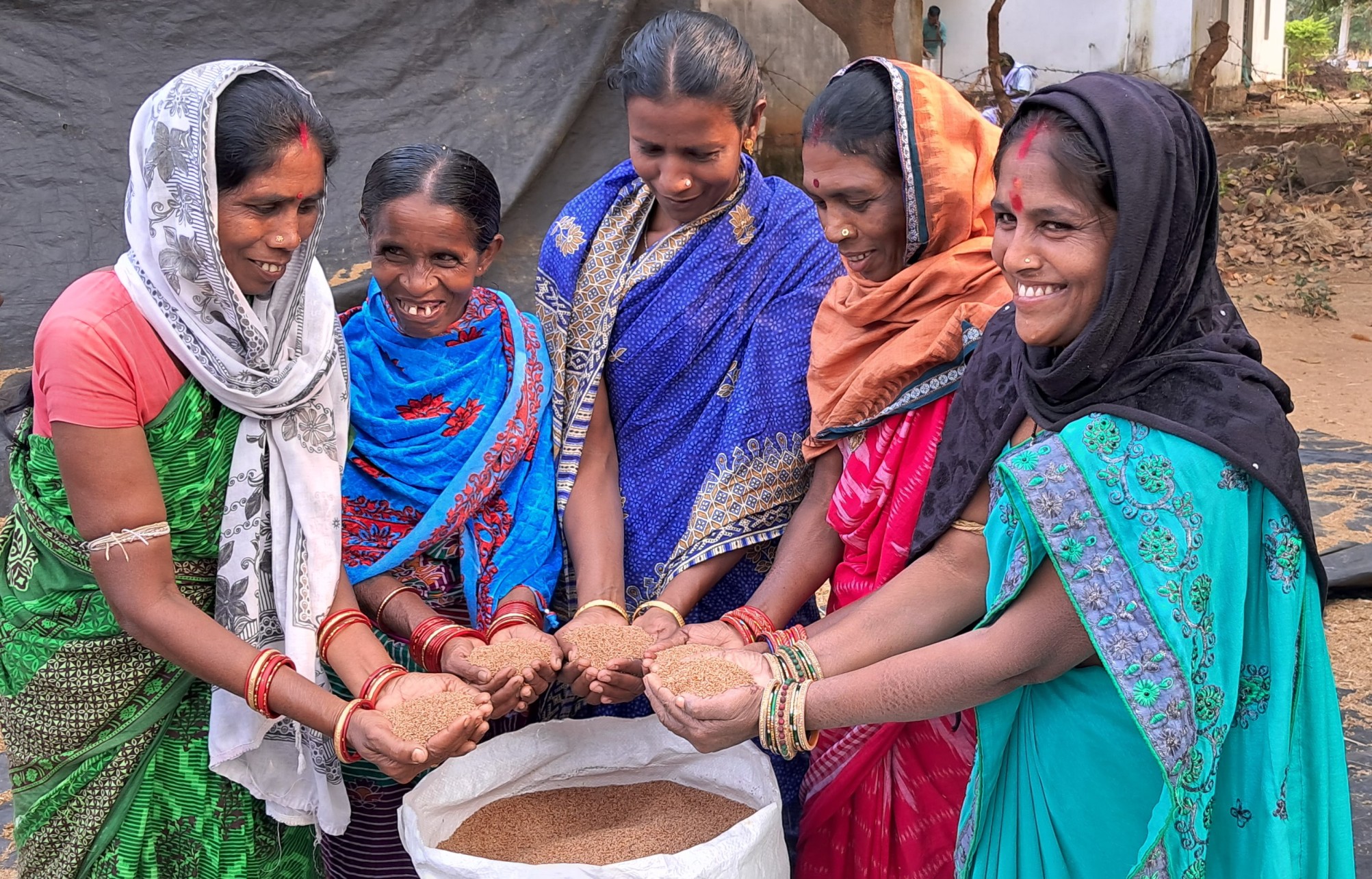
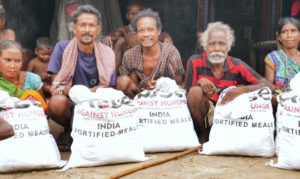
Here’s where the money actually turns into something. An NGO running a school feeding programme buys grain and lentils in bulk. A palliative care unit orders morphine and dressing supplies. A shelter for abandoned elderly pays for a caregiver’s monthly wage or rent of the old age home premises.
Step 4: NGOs track how funds are used
Every credible NGO maintains some form of internal tracking, whether that’s a simple ledger tied to a specific programme or a full monitoring and evaluation framework. Larger organisations often break this down by project code, so a donation earmarked for “eye surgeries” is tracked separately from general operating funds. Registered NGOs in India are required to file annual returns and undergo statutory audits, which is part of what is checked by the give.do M&E team.
How do NGOs measure impact?
Impact measurement can at times be fairly complicated. For example if a donor has contributed to a feeding programme for street children the assessment would be simple, but if the donation is to improve academic outcomes in a particular geography the task becomes slightly more complex.
Healthcare and palliative care programmes track patients treated, home visits completed, and pain management outcomes, usually showing results within a few weeks to a few months. Education programmes look at enrolment, attendance, and learning outcomes, measured across an academic term or year. Elderly and disability care organisations monitor the number of residents supported, quality-of-life indicators, and regular medical check-ups, reviewed monthly or quarterly rather than all at once.
Impact assessment can also be different for different donation programmes. A donation impact report for a one-time relief drive will look nothing like one for a recurring donation for a girls education programme.

How donors stay updated?
Most NGOs share updates through a mix of channels: email newsletters, WhatsApp updates for recurring donors, annual reports, and increasingly, direct messages through the platform they raised funds on. On give.do specifically, NGOs can post updates against a campaign, so a donor who gave toward a specific cause can see photos, numbers, or short notes tied to that exact campaign rather than a generic organisational update.
Not every update arrives immediately. Field-based NGOs working in remote areas often batch their reporting, sending updates once a quarter rather than weekly, simply because staff time is better spent on programme work than constant documentation.
Why transparency matters
Donor trust in India has taken real hits over the years, from scandal-hit charities to vague crowdfunding pages with no verifiable end use of funds. Transparency isn’t a nice-to-have on top of good NGO work. It’s the thing that decides whether a donor gives once or gives again.
A platform that verifies NGOs before listing them, and that requires some form of reporting back to donors, does more for long-term giving than any single emotional appeal ever could. Trust compounds. So does its absence.
Common myths about donations
Myth: Small donations don’t matter
A single donation of a few hundred rupees won’t fund a hospital wing on its own. But pooled donations are exactly how most grassroots NGOs survive, because small, recurring gifts from many donors are more stable than one large, unpredictable grant. A monthly giver contributing a modest amount consistently is often more valuable to an NGO’s planning than an occasional large but unpredictable donation.
Myth: I won’t know where my money went
This used to be closer to true before donation tracking and campaign-specific reporting became standard. Now, most verified platforms let you see which campaign your money supported, and many NGOs send updates tied to that specific cause rather than a blanket “thank you for your support” email.
Myth: NGOs never report outcomes
Some don’t, and that’s a fair criticism of the sector generally. But it’s not universal. NGOs seeking continued funding, especially from platforms with donor accountability built in, have every incentive to report outcomes clearly, because donors who see results are the ones who come back.
How long does it take for donations to make an impact?
There’s no single answer, and any NGO claiming instant impact for every cause should raise an eyebrow. Emergency relief can move within days. A school meal programme might show attendance changes within a term. A skilling programme aimed at long-term employment outcomes can take the better part of a year before results are visible. The honest answer is: it depends on what you’re funding, and any NGO worth donating to should be able to tell you roughly what timeline to expect.
How give.do helps ensure transparency
Give.do works with over 3000 NGOs across India, and verification happens before an NGO is ever listed, not after a complaint. That includes checking registration status and legal compliance so donors aren’t guessing whether an organisation is legitimate. Campaign-level giving also means your donation isn’t dropped into an NGO’s general fund with no visibility. It stays tied to the cause you chose to support, and updates on that campaign come back to you rather than getting lost in a generic mailing list.
Frequently Asked Questions
Where does my donation go?
It goes to the specific NGO and campaign you chose, after passing through a secure payment gateway and a standard settlement cycle.
How do I know my donation reached the NGO?
You’ll receive a confirmation and receipt at the time of donation, and most verified platforms show which NGO and campaign the funds were routed to.
Can I track the impact of my donation?
Yes, through campaign updates, NGO reports, and in some cases direct communication from the organisation you supported.
How much of my donation reaches beneficiaries?
This varies by NGO and cause. Registered charities are required to disclose expense breakdowns in their annual filings, so this figure is checkable rather than fixed across the board.
Do NGOs provide updates after donations?
Most verified NGOs do, though the frequency depends on the size of the organisation and the nature of the programme. Field-based work often means quarterly rather than weekly updates.
Is my donation tax deductible?
Donations to eligible registered NGOs in India can qualify for tax deduction under existing income tax provisions, but exact rules and limits change from time to time. Check current rates with a tax advisor or the NGO’s own documentation before filing.
Can I donate anonymously?
Most platforms, including give.do, allow you to donate without your name being publicly displayed on a campaign page, even though your details are still recorded for the receipt and NGO’s records.
Can I support the same cause every month?
Yes. Recurring donations are one of the most useful things a donor can set up, since they give NGOs a predictable base to plan programmes around instead of reacting to one-off gifts.
The gap between “I donated” and “something changed” isn’t a black box, even though it can feel that way from the donor’s side of the screen. It’s a sequence of fairly ordinary steps: a secure transfer, a verified organisation, a specific spend, and a report back. What separates a donation that disappears into vagueness from one you can actually trace is whether the platform and the NGO both do their part in closing that loop. Pick a campaign on give.do, and you’ll see exactly which of those steps is happening and when.

Choosing to tread the proverbial road less travelled, Ramon embarked upon a career in journalism and spent over 8 years working for various media organisations. A deeper calling to create a sustainable impact in the lives of the less fortunate compelled him to join the social sector. Ramon is a minimalist at heart and an explorer in spirit.