
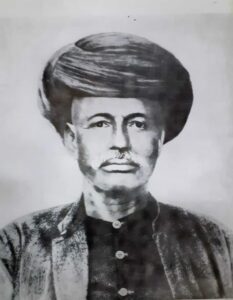
APRIL 11, 2026, marks the 200th birth anniversary of Mahatma Jyotirao Phule, a revolutionary who dared to dismantle the foundations of caste oppression in India. Born on April 11, 1827, into the Mali (gardener) community, a group considered “Shudras,” Phule’s very existence was a challenge to a society that sought to limit human potential based on birth.
The Shaping of a Radical Mind
Jyotirao Phule’s early life was marked by a profound and personal encounter with caste prejudice. His family enjoyed some proximity to the Peshwa rulers, yet this did not shield him from discrimination. The turning point came when an upper caste clerk at his school took exception to a Shudra boy receiving an education. Consequently, young Jyotirao Phule was expelled from the school. This humiliating incident ignited a lifelong fire within him. A man recognised his intelligence and persuaded his father to allow him to attend the local Scottish Mission High School. He eventually completed his schooling in English in 1847.
Furthermore, an experience at a friend’s wedding in 1848 deepened his resolve. When he participated in the wedding procession, the groom’s relatives insulted and rebuked him for his caste background. This public shaming forced Phule to confront the pervasive nature of caste hierarchy. He later described caste as “a monster that crosses your path every step you take”.
Savitribai: The Indispensable Partner
No tribute to Jyotirao Phule is complete without celebrating his wife, Savitribai Phule. Married at the tender age of nine, Savitribai was illiterate at the time. However, Jyotirao saw in her not just a wife, but a partner in revolution. He took the onus of educating her at home, a radical act in an era where a woman’s literacy was considered dangerous. Later, Savitribai underwent formal training at missionary-run institutions in Ahmednagar and Poona, becoming a qualified teacher in 1847.
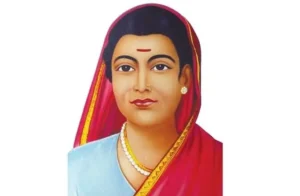
She was not merely an assistant but a firebrand in her own right. While Jyotirao conceptualised the vision, Savitribai braved the physical onslaught of an outraged society. Together, in 1848, they opened India’s first school for girls at Bhide Wada in Pune, starting with just nine girls from the Shudra and Ati-Shudra (now Dalit) communities.
The Price of Progress
The Phules’ success was met with ferocious opposition. Orthodox upper-caste communities, viewed the education of lower-caste girls as a “loss of nationality”. The hostility was so extreme that Jyotirao’s own father, Govindrao, was forced to kick the couple out of his house. However, the most brutal violence was reserved for Savitribai.
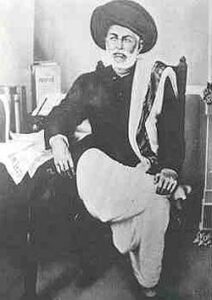
On her daily walks to school, conservative men would fling stones, mud, cow dung, and verbal abuse at her. To endure this, she always carried a spare sari to change into at school. A friend, Usman Sheikh, and his sister Fatima Sheikh—themselves pioneers of education for the marginalised—provided the Phules with shelter and helped them start additional schools. By 1851, the Phules were running three schools in Pune attended by over 150 girls.
Beyond the Classroom
The Phules’ reformist zeal extended far beyond primary education. In 1873, they founded the Satyashodhak Samaj (Society of Truth Seekers), a platform open to all castes and religions to promote social equity. Jyotirao Phule articulated his philosophy in powerful works like Gulamgiri (Slavery, 1873), which he dedicated to the Americans who fought to end Black slavery. In a remarkable testament to his character, when friends suggested he remarry because Savitribai was childless, Phule refused. He declared that if a man were infertile, society would never offer the same cruel suggestion. Instead, the couple adopted a widow’s child, Yashwant, and raised him.
Savitribai similarly fought for the most vulnerable. She organised a barbers’ strike in Pune and Bombay to oppose the practice of shaving widows’ heads. She also established the Balhatya Pratibandhak Griha (Home for the Prevention of Infanticide), a shelter for pregnant widows and rape victims who were otherwise driven to kill their newborns. Jyotirao Phule was given the title of ‘Mahatma’ in 1888. Savitribai continued their mission until her death from the plague in 1897, and upon Jyotirao’s death in 1890, their son Yashwant insisted that she, the wife, light the funeral pyre—a final, powerful act of defiance against patriarchal norms.
The battle the Phules began is far from over. In India today, over 4 million girls between the ages of six and 14 remain out of school. Fortunately, governments and numerous NGOs are bringing girls and underprivileged children to school.
NGOs and education
To discover and support NGOs, you can turn to give.do. This platform simplifies the search for credible NGOs, ensuring your support reaches those who need it most. n.
Ultimately, honouring Mahatma Jyotirao Phule goes beyond ceremonial tributes. His true legacy lies in our collective action to dismantle the barriers of inequality. By supporting the education of a girl or an underprivileged child, we are not just teaching a lesson; we are carrying forward a 200-year-old revolution for a brighter, more equitable India.

Give exists to alleviate poverty by enabling the world to give. Established in 2000, Give, together with its partners, is the largest and most trusted giving platform in India. Give enables individuals and organizations to raise and donate funds conveniently to any cause they care about, with offerings including crowdfunding, corporate giving, cause marketing, and philanthropy consulting. Give’s community of 2.6M+ donors supports 3,000+ verified nonprofits, serving 15M+ people across the country.