
In India’s underserved communities, childhood isn’t filled with laughter and joy. It’s weighed down by hunger, hardship, and housework. For millions of children, play is not a part of growing up, it’s a distant, distant, almost unimaginable luxury.
While affluent children toss aside toys they’ve outgrown, many underprivileged children have never owned even one. No board games, no blocks, no teddy bears to cuddle at night. Just the brutal business of survival. In slums, villages, and construction sites across India, children are raised not with stories and imagination, but with silence, scarcity, and toil. The idea of owning a toy, something soft, colourful, or whimsical, is almost laughable. Here, survival comes before smiles.
And yet, here’s the irony: play is indeed a right
According to Article 31 of the United Nations Convention on the Rights of the Child, every child has the right to rest, leisure, and play, a right to engage in creative recreation appropriate to their age. But in most poor Indian households, that right is either unknown or deliberately sidelined. Food, of course, is a priority. But play? That’s seen as a distraction or, worse, a luxury. The reality is more troubling: denying play is denying children their full emotional, cognitive, and social development.
This deeply personal injustice is what stirred Vidyun Goel into action. On a school field trip, she encountered a young boy in a village who had no possessions, no books, no bag, and certainly no toys. She remembers him picking up a bottle cap and calling it a car. That one gesture, a spark of imagination in the middle of deprivation, stayed with her. It wasn’t just heart-wrenching. It was revealing.
From that moment, Vidyun understood that a toy isn’t just a distraction for a child, it’s a symbol of dignity. She explains that play is the language of children. Through play, they express themselves, learn social skills, and explore the world. A toy is more than just an object, it’s a tool for development, for healing, and for hope.

The inception of a movement
This philosophy led to the creation of The Toy Bank, a powerful grassroots movement that channels unused toys from homes across India to children who’ve never owned a single one. But it’s not just about redistribution. It’s about restoring what childhood should feel like.
The core idea behind Toy Bank is disarmingly simple: there is immense waste in one part of society and immense want in another. As Vidyun puts it, there was this realization that we have homes filled with toys that are hardly used, while there are millions of children who have never owned a toy. The gap was too wide to ignore. The Toy Bank became the bridge between those two worlds, between abundance and absence, between clutter and joy.
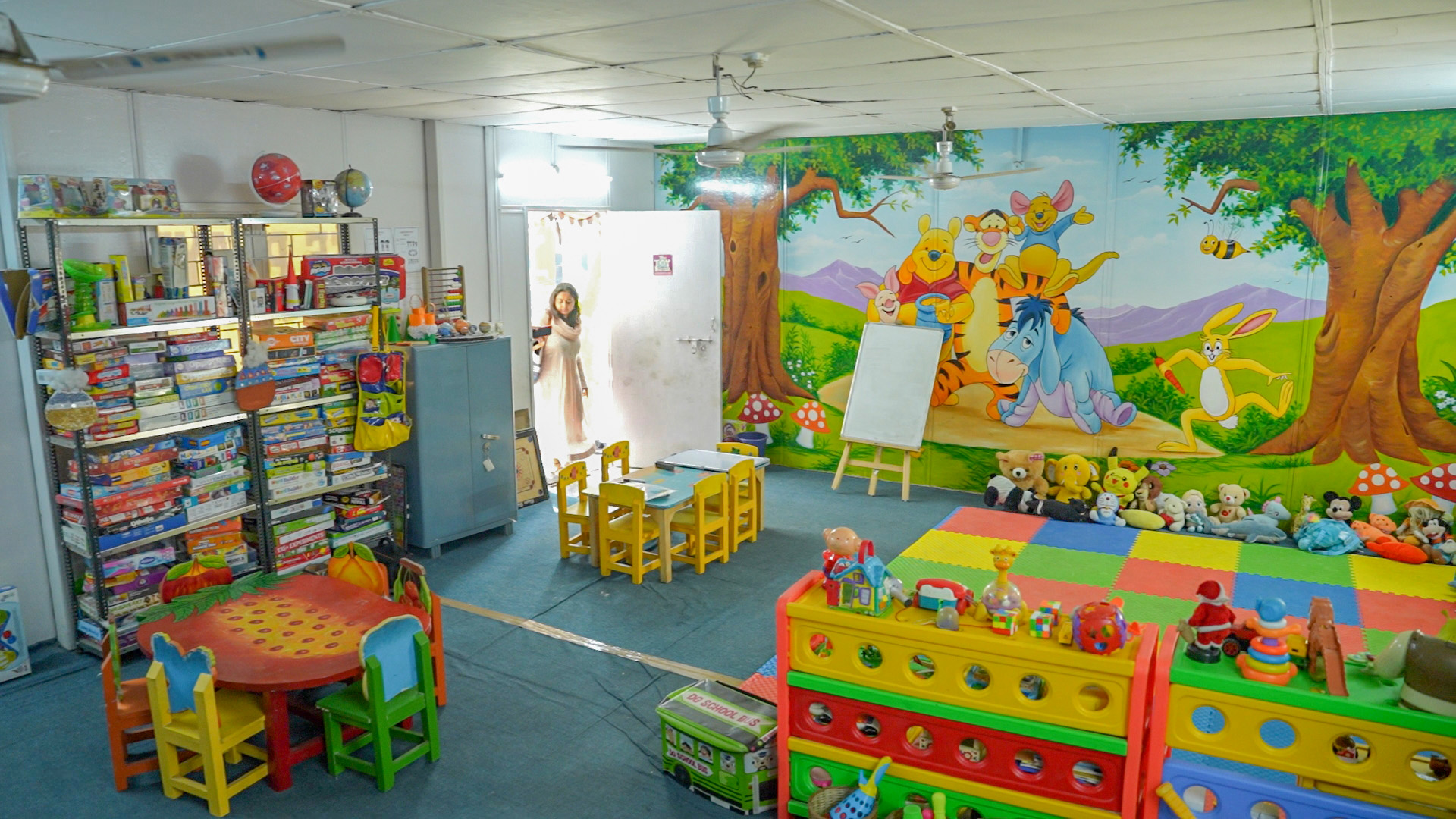
But The Toy Bank didn’t stop at handing over toys. Vidyun and her team wanted to ensure these toys were meaningful and used in a structured, nurturing environment. This led to the creation of Safe Playrooms and the development of the Play2Learn curriculum, both of which are now implemented in schools, anganwadis, and care centers across India.
Vidyun explains their philosophy, “We didn’t want to just give toys. We wanted to create an environment where children feel safe, loved, and free to be themselves. That’s why we started creating Playrooms with a purpose, spaces that nurture both heart and mind. These rooms are designed not only to inspire imagination but also to support social bonding, learning and emotional expression, things children in underserved communities desperately need but rarely receive”.
As The Toy Bank’s reach expanded, now across 26 states, the ripple effects began to show. Children who once sat quietly in the back of classrooms now engaged more. Attendance improved. Smiles returned. And not just the children benefited. The act of donating toys, especially for urban children, fostered empathy, responsibility, and a connection to a broader world. Vidyun reflects that all I wanted was for every child to experience the joy of holding a toy. That joy can change how a child sees the world and their place in it.
A future that is whole
Vidyun believes the conversation around childhood in India remains incomplete. They overlook the deeper layers of emotional and cognitive growth that come from unstructured, joyful play. Play builds problem-solving. It builds emotional intelligence. It builds community. If we deny children play, we deny them a future that is whole.
That’s why this mission isn’t about toys alone, it’s about equity, it’s about learning. It’s about giving children born into hardship the same tools, imagination, confidence, emotional safety, that any other child would take for granted. It’s about leveling a very uneven playing field.
In a country with the world’s largest child population, and some of the widest wealth gaps, The Toy Bank isn’t just giving children their right to play. It’s restoring stolen childhoods. And every toy placed in the hands of a child who’s never had one isn’t just an object. It’s a chance. A spark. A beginning.
If you believe children deserve more than just the bare minimum to survive, if you believe they deserve to dream, to play, to feel safe, then you’re already part of this mission. All you have to do now is act. Click the link to show your support.

Choosing to tread the proverbial road less travelled, Ramon embarked upon a career in journalism and spent over 8 years working for various media organisations. A deeper calling to create a sustainable impact in the lives of the less fortunate compelled him to join the social sector. Ramon is a minimalist at heart and an explorer in spirit.
Discover more from
Subscribe to get the latest posts sent to your email.