
AS we observe World Mental Health Day on October 10, it’s crucial to recognise that mental health is not a luxury—it’s a fundamental component of overall well-being. The saying “there is no health without mental health” has never been more relevant, especially as communities worldwide grapple with unprecedented humanitarian crises.
This year’s World Mental Health Day campaign shines a spotlight on an often-overlooked aspect of humanitarian emergencies: the profound psychological toll they take on affected populations. Whether it’s natural disasters, conflicts, or public health emergencies, these crises leave invisible scars that can last far longer than their physical aftermath.
The statistics are sobering: one in five individuals experiences a mental health condition during crises. But the impact extends even further—nearly everyone affected experiences emotional distress and disrupted community bonds. In India, where we’ve witnessed devastating floods in Kerala, earthquakes in various regions, and the lingering effects of the COVID-19 pandemic, these numbers translate into millions of people silently struggling with anxiety, depression, trauma, and loss.
Mental health in India
India faces unique challenges when it comes to mental health during emergencies. With a population of over 1.4 billion people and frequent natural disasters—from cyclones in coastal regions to floods in the northeast and droughts in rural areas—the need for mental health support is immense. The 2023 floods in Himachal Pradesh and the recurring cyclones in Odisha and West Bengal remind us that disaster preparedness must include psychological support, not just physical relief.
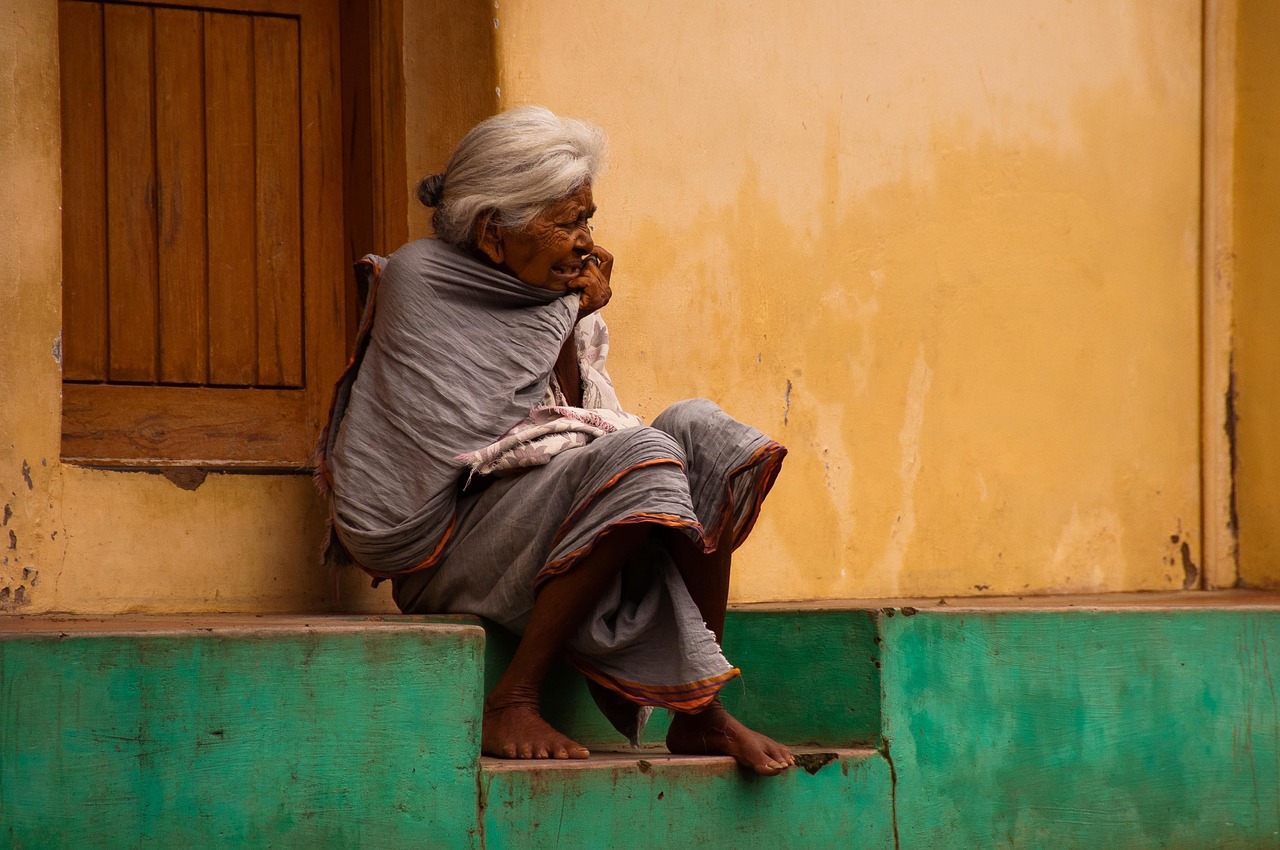
Even though many people are under the global burden of mental illnesses, the allocation of resources and attention to mental health has historically been disproportionate compared to other health issues. Addressing mental health concerns is critical for the overall development and well-being of individuals and communities in India. Especially the elderly, who have been abandoned by their own or stay alone.

World Mental Health Day reminds us that addressing this challenge requires a collaborative approach. Government officials, healthcare providers, school staff, ASHA workers, community leaders, and NGOs must work hand in hand. In India, community-based interventions rooted in our cultural context—such as group therapy sessions led by trained volunteers, peer support networks, and integration of mental health awareness in community health programs—have shown promising results.
The National Mental Health Programme and initiatives like the Tele-MANAS helpline are steps in the right direction, but we need to scale these efforts, especially in rural and disaster-prone areas. Evidence-based interventions that are culturally sensitive and accessible in regional languages can bridge the gap between need and care.
Opening the discourse on mental health
In recent years, there has been a positive shift in the societal discourse around mental health in India. More individuals and organizations are engaging in conversations to break the stigma associated with mental illnesses. The media and organizations have played a vital role in sharing personal experiences and advocating for mental health awareness, thus encouraging others to open up about their struggles.
The power of these discussions lies in normalizing mental health challenges and encouraging seeking help without fear or judgment. As conversations continue to evolve, it is crucial to support initiatives that amplify awareness, provide education, and deliver accessible mental health services to those in need.
Role of NGOs in mental health advocacy
NGO fundraisers play a pivotal role in addressing mental health issues in India. They work tirelessly to bridge gaps in mental health awareness, education and access to services. These organizations work on various levels, from community outreach and education to providing direct mental health care services.

NGOs often conduct awareness campaigns, workshops, and training programs to educate the public about mental health, the importance of seeking help, and destigmatizing mental illnesses. Fundraisers also work towards improving the mental health infrastructure and advocating for policies that prioritize mental health as an essential aspect of overall healthcare.
Donating to NGO fundraisers: making a difference
Contributing to NGO fundraisers focused on mental health is a tangible way to make a meaningful difference. Donations enable these organizations to expand their reach, develop better programs and enhance mental health services for those in need. Here’s how individuals can support mental health initiatives through donations to fundraisers:
Research and choose reputable NGO fundraisers: Before making donations to NGO fundraisers, research and identify NGOs on the Give.do platform that focus on mental health initiatives in India. Ensure that their activities align with your interests and follow the pages of the fundraisers to see how your donations are making a difference!
Regular donations and fundraisers: Consider setting up regular donations or participating in fundraising campaigns organized by mental health NGOs. Even small, consistent contributions can accumulate to make a substantial impact over time.
Engage with the community: Encourage friends, family and colleagues to join in and support mental health initiatives through donations to fundraisers. Sharing information about the cause and the importance of mental health can create a ripple effect of support.
Advocate for mental health: In addition to monetary contributions to fundraisers, use your voice and influence to advocate for mental health awareness and the significance of supporting mental health initiatives. Sharing information on social media, writing articles or speaking at events can help mobilize support.
Volunteer your time: Besides financial contributions to fundraisers, consider donating your time and skills to mental health NGOs. Volunteering can have a direct impact on the community and complement financial support.
World Mental Health Day serves as a reminder of the importance of mental health in our lives and the lives of those around us. Mental health issues are a global challenge, and it’s crucial to support initiatives such as mental health NGO fundraisers that strive to create a better and more understanding world for individuals grappling with mental health concerns.
By donating to reputable NGO fundraisers focused on mental health, individuals can contribute to creating a society that values mental well-being, reduces stigma and provides access to essential mental health resources for everyone. Let us unite in this endeavor, spreading compassion, understanding and support to improve the mental health landscape in India and around the world:
–
Give’s mission is to “make giving bigger and better.” Give is the most trusted donation platform in India for fundraisers and crowdfunding campaigns. Through our technology solutions, we enable individuals and organisations to fundraise and donate to a cause, charity or NGO with trust and convenience. Give’s community of 2.7M+ individual donors and 300+ organisations supports 3,000+ verified nonprofits with 80G deduction and serves 15M+ people across India. Find a fundraiser today!

Give exists to alleviate poverty by enabling the world to give. Established in 2000, Give, together with its partners, is the largest and most trusted giving platform in India. Give enables individuals and organizations to raise and donate funds conveniently to any cause they care about, with offerings including crowdfunding, corporate giving, cause marketing, and philanthropy consulting. Give’s community of 2.6M+ donors supports 3,000+ verified nonprofits, serving 15M+ people across the country.
Discover more from
Subscribe to get the latest posts sent to your email.