
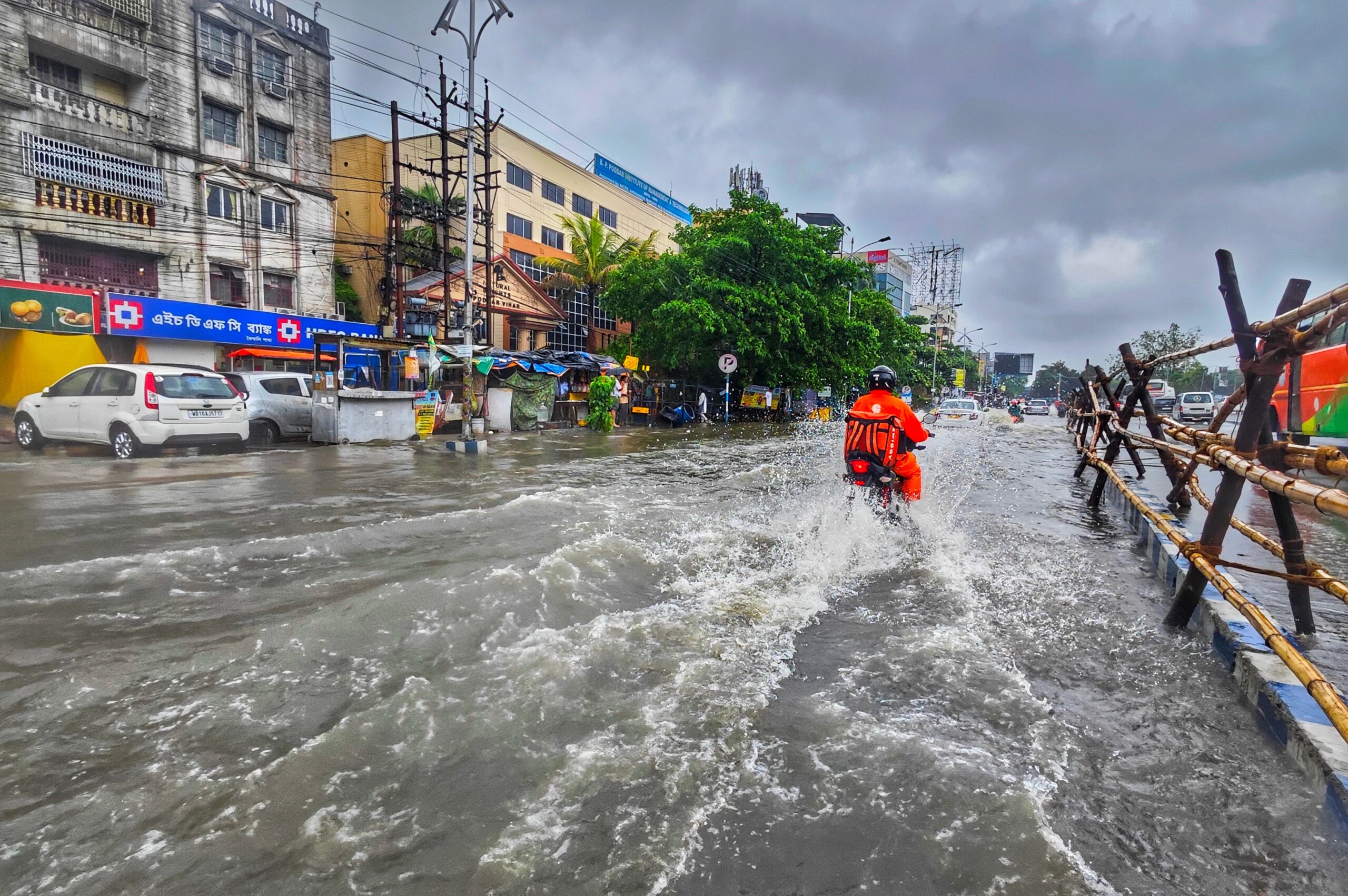
TROPICAL Cyclone Arnab has made landfall, and Andhra Pradesh and Odisha have been affected. We hope it does not bring devastation. As a precautionary measure, over 10,000 people have been evacuated from low-lying areas and shifted to temporary shelters in Andhra Pradesh.
The name, Arnab, has attracted a lot of social media attention.
Do you know how cyclones get their names?
First a bit about Arnab: Bangladesh gave the storm its name. Arnab comes from Sanskrit and means “ocean” in Bengali. The practice of naming cyclones in South Asia began only in 2004. Before that, storms were known by the year they struck. Today, every serious storm in the Bay of Bengal and the Arabian Sea gets a name. The practice started in the US more than 70 years ago, but it reached this region late.
How naming cyclones helps
Names help people remember storms more easily than numbers or technical terms. The media can report on a storm by name. Authorities can use the name to alert communities in time.
Cyclones form over warm tropical seas. These include the Bay of Bengal and the Arabian Sea. They affect countries across Asia, Africa, Oceania, and the Americas, including India, Bangladesh, and Pakistan. They threaten lives and property, cause widespread damage, and disrupt daily life.
The Delhi-based Regional Specialised Meteorological Centre monitors storms across the North Indian Ocean. Its members are India, Iran, Bangladesh, Myanmar, Maldives, Oman, Pakistan, Qatar, Saudi Arabia, Sri Lanka, Thailand, the UAE, and Yemen. Each member proposes names, which are used in turn. Bangladesh’s name comes first in alphabetical order.
Names must be short, with eight letters or fewer, and neutral. They must not be offensive or discriminatory. A name cannot be used again once it has appeared.
The last cyclone name on the 2004 list was Amphan. Nisarga was the first name from the new list. The next storm will be named Gati, which India proposed. The word means “speed.”
The government and the NGOs during disasters
NGOs work in cyclone-affected areas. They provide shelter, food, medical aid, and rescue support. Their teams often reach villages before relief agencies arrive.
Here are some of India’s top disaster-time NGOs that are doing great work. You can support them too: https://give.do/fundraisers/disaster-relief
Learn here on how your donations play a great role in dealing with disasters: https://give.do/blog/how-your-donations-help-people-in-natural-disasters/
Before a cyclone, people should listen to official warnings and keep a radio or phone charged. They should store drinking water, food, medicines, and important documents in a waterproof bag. They should move to a cyclone shelter or a sturdy building when told to. During the storm, they should stay indoors, away from windows, and avoid flooded roads. After it passes, they should wait for official clearance before going out and stay away from fallen power lines.