
Help Us Increase Small Farmers Income from Maharashtra's Drought villages through Fruit Tree Plantation


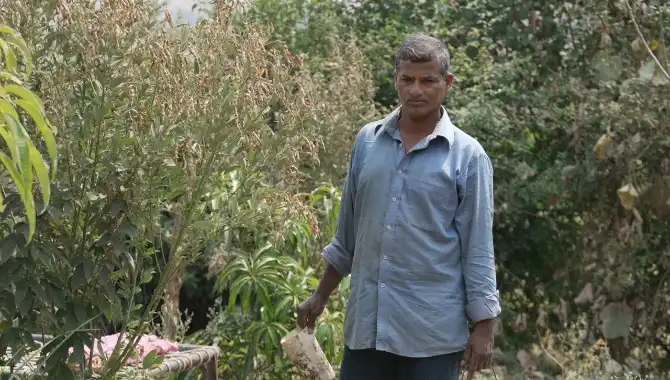
Story
Founding Story:
AGRO RANGERS is a young non-profit organization working at the grassroots level for the betterment of small and marginal farmers.
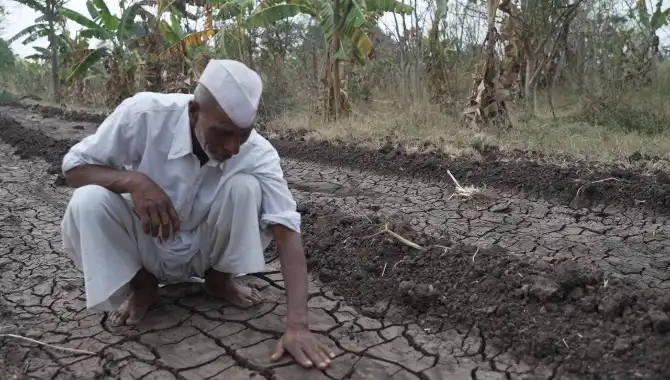
We launched in December 2019, after finding that average organic carbon in the farmland soil was less than 0.5% in our village. Under the government's soil health mission project in the Vigyan Ashram organization, we tested more than 5000 soil samples of farmland from 10 villages and found that 90% of our soil was nitrogen deficient and becoming more infertile day by day.
Poor quality of soil reduces soil fertility and crop yield. Nowadays, many farmers are using chemical fertilizers to increase the production of their farms. However, this contributes to many problems which affect the soil and may cause health issues. In addition to that, crop losses are becoming more frequent as a result of climate change's effects on the environment. All of these issues raise the need to curb harmful conditions and work together to improve soil quality to secure the jobs of farmers and increase food production.
After having a closer look at this situation, these problems motivated me and the other 6 youngsters to find a solution to fix soil degradation and rejuvenate the soil. Therefore, we founded AGRO RANGERS Trust.
Problem: Soil degradation due to harmful chemical farming practices reduces crop productivity and farmers' agricultural income. These practices contribute to climate change, leading to unpredictable rainfall and changing monsoon patterns, further diminishing the economic resilience of small and marginal farmers. These economic shocks and reduced farming income lead to farmer migrations and suicides.
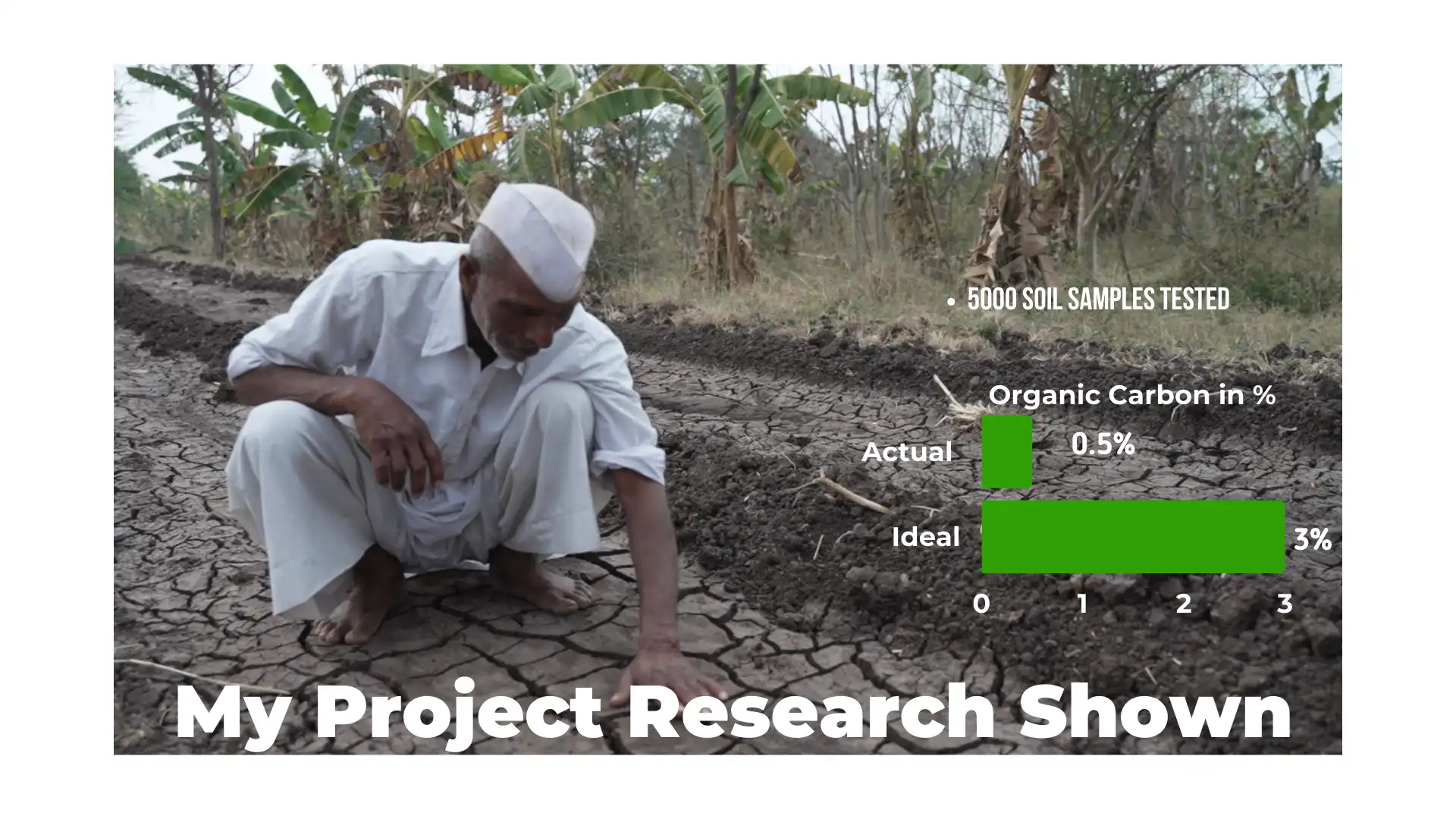
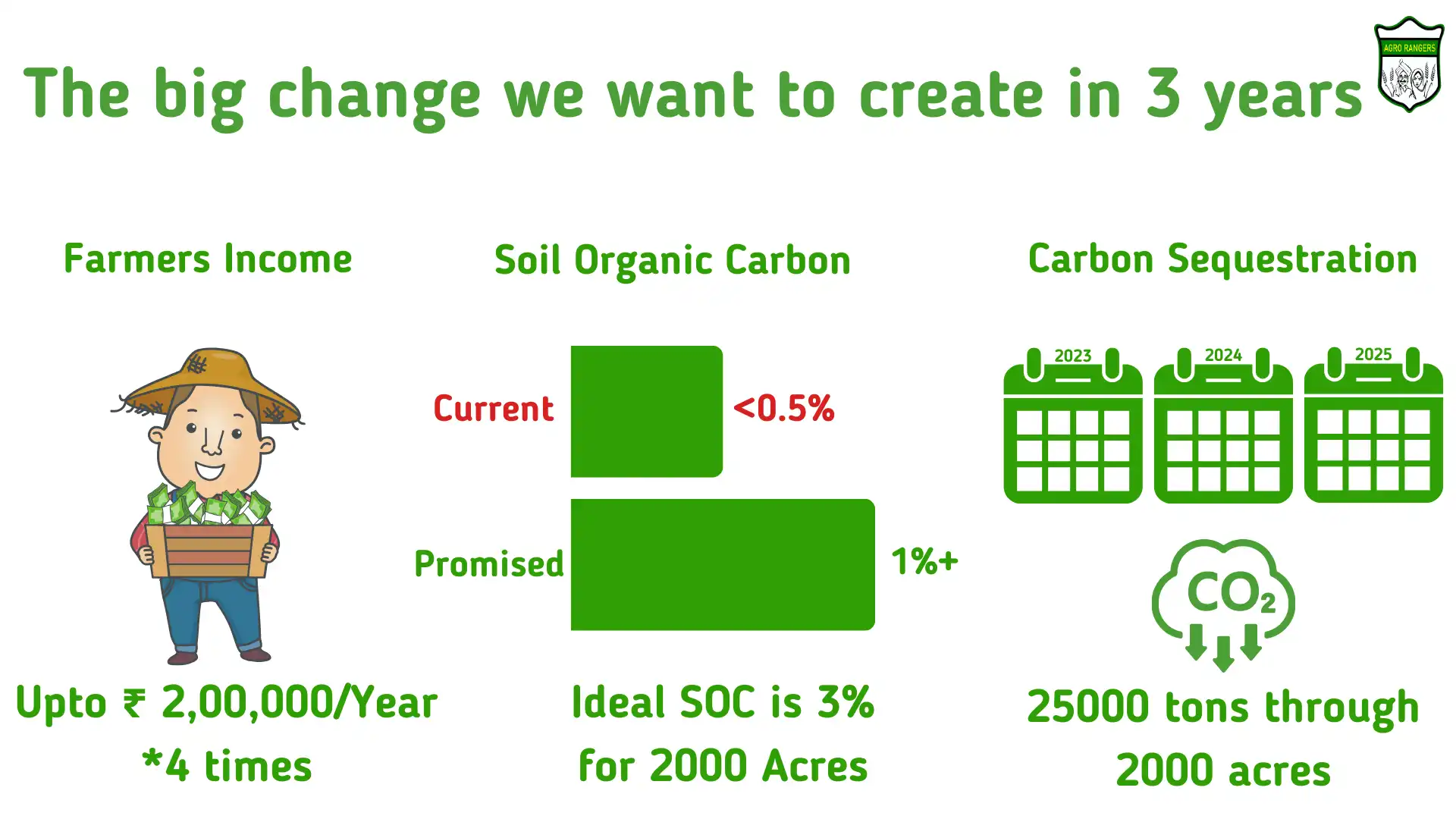
Solution: At AGRO RANGERS, we recognize that degraded soil quality poses a significant threat to the livelihoods of farmers and contributes to the cycle of poverty. As chemical farming is a leading cause of soil degradation, we found that promoting chemical-free alternative farming practices such as agroforestry farming practices is solving these issues. Our tried and tested chemical-free regenerative agroforestry models have yielded promising results of increasing soil organic carbon by 0.8% in 3 years and increasing sustainable income by 4 times(₹2,00,000) through multi-cropping per year from one-acre farmland.
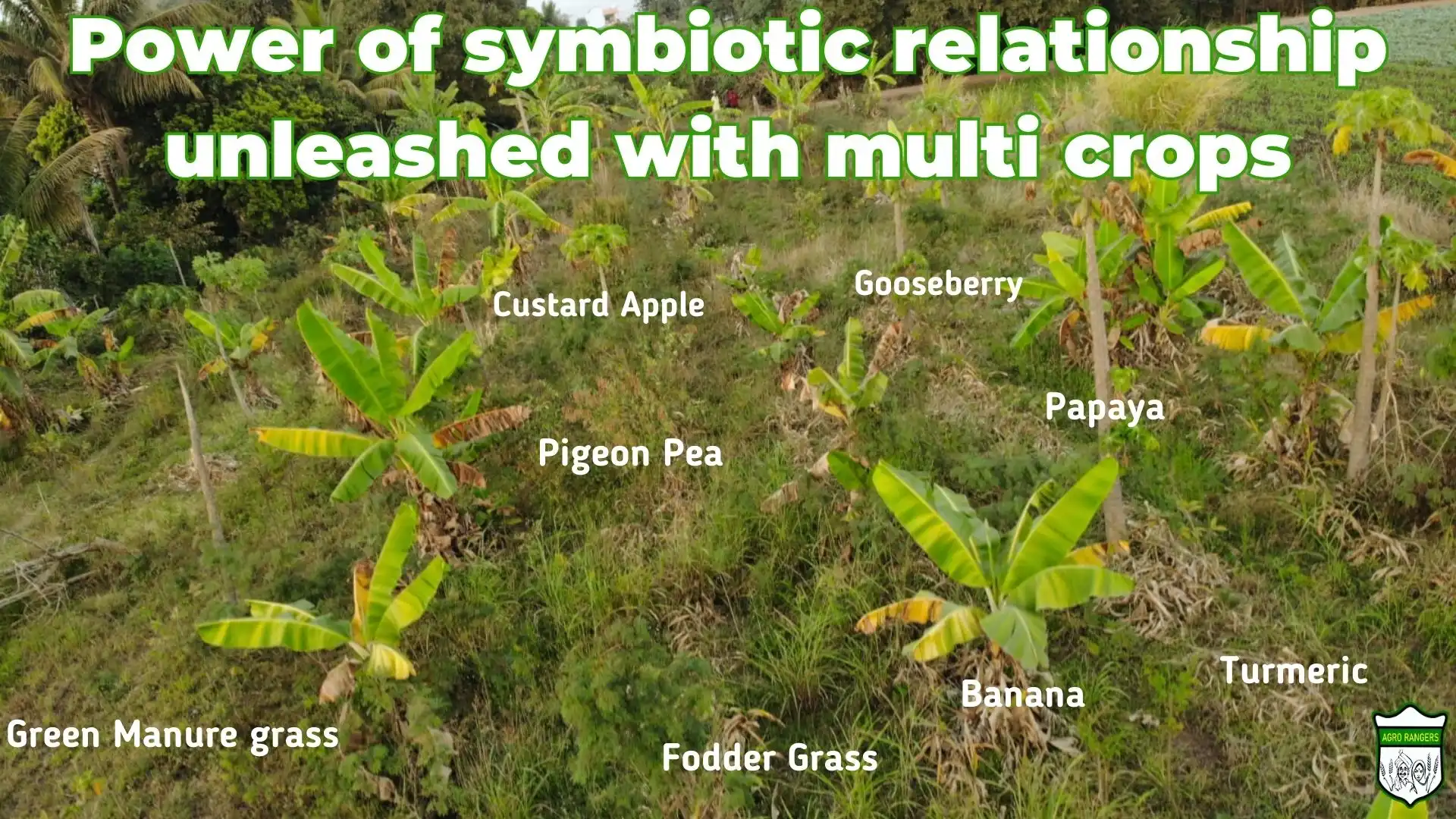
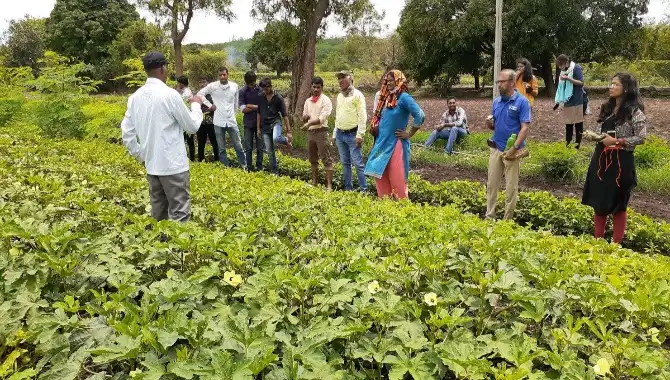
At AGRO RANGERS, we focus on revitalizing degraded farmlands, improving crop quality, and increasing production. We work closely with small and marginal farmers, implementing our regenerative agroforestry interventions on their one-acre plots. Our interventions include integrating mixed fruit trees, cover crops, mulching, biofertilizers, drip irrigation systems, and intercropping agricultural crops in a mutually beneficial system. We select fruit tree species that thrive in the local climate, soil type, and water availability while complementing existing crops like cereals, pulses, and vegetables. By implementing agroforestry farming practices, we contribute to climate change mitigation by maximizing carbon sequestration, reducing farm input costs, and increasing economic resilience for farmers, we enhance food security, and conserve biodiversity.

Project Details: The project is to implement agroforestry on 100 acres of barren, degraded, or unused agricultural land with individual small and marginal farmers and community members across the drought region of Pune from Maharashtra. This will help them to ecologically restore their land which has been degraded or deforested. As a result, this will bring back lost biodiversity and create ‘green’ employment and income opportunities for the community.
The project involves planting over 35 different varieties of trees, shrubs, and crops on degraded or unused farming land. In the Pune district, our work will be carried out in the rain shadow region of Shirur. This particular region receives less than 350 mm of rainfall annually. Shirur, a tehsil situated in the Pune district in the Indian state of Maharashtra, is a region known for its harsh, arid climate and scarce water resources. The low rainfall and aridity in the region often lead to droughts, making it difficult for agriculture and other water-dependent activities to thrive. The area is characterized by barren, semi-arid lands with sparse vegetation and rocky outcroppings, and the soil is predominantly red and yellow with high iron and mineral content.
Our commitment is to support those small and marginalized farmers who own between 1 and 5 acres of farmland, earn an annual income of less than 1 lakh rupees, have access to at least one water source, live in drought-prone areas, and are facing dire consequences of degraded soil quality.
Steps for Best Practice Implementation & Monitoring:
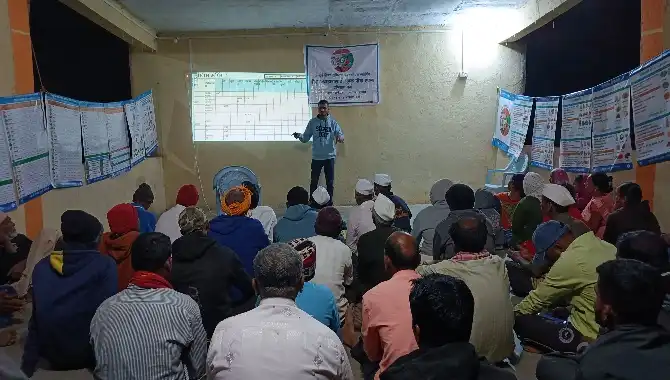
1. Enrollment: Train farmers and communities, emphasizing biodiversity over just orchards, ensuring long-term benefits.
2. Land Identification: Assess farmland, mapping its condition, history, and resources before selection.
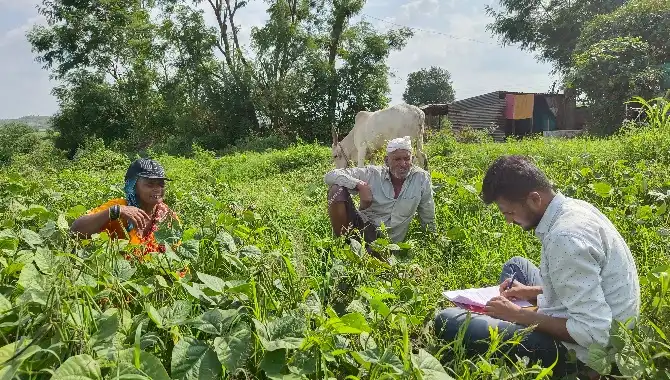
3. Baseline (Training and Documentation): Educate farmers on agroforestry's benefits, secure agreements, and collect necessary data.
4. Land Preparation: Farmers clear land, mark planting areas, dig pits, and enhance soil fertility.
5. Soil Testing: Analyze soil samples to recommend suitable agroforestry models.
6. Drip Irrigation Installation: Efficient water usage is ensured with drip irrigation.
7. Planting: Farmers plant saplings based on the agroforestry design.
8. Post-Plantation Care: Bio-fertilizers, weeding, mulching, and nutrient management practices are implemented.
9. Monitoring: Ongoing support, technology, and soil testing ensure sustainable practices.
10. Marketing Linkages & Value Addition: Connect farmers to markets, explore value-added products, and seek additional revenue streams.
These steps empower small and marginal farmers to establish sustainable and profitable farming systems, securing livelihoods and enhancing environmental sustainability.
Cost of Implementation: We have ₹ 200 as an implementation cost per sapling plantation which includes sapling cost, drip irrigation cost, biofertilizers, compost, travel and transportation, our implementation cost, and monitoring for 3 years of survival.
Updates
9 Apr, 2024
Click here to read quarterly news- https://www.agrorangers.org/quarterly-newsletters/
Organisers
AGRO RANGERS TRUST
Beneficiary Charity

Siddhesh Sakore
Organiser
0 raised of 5L
View All Donations
India's most trusted online donation platform

Easy
Donate quickly and seamlessly

Impactful
Champion causes close to your heart and change lives

Credible
Support 3,000+ certified Indian nonprofits
FAQs
Everything you need to know about the product and billing. Can’t find the answer you’re looking for? Please chat with our friendly team.
How does give.do Fundraisers work?
Is my donation on Give.do Fundraiser secure?
Will my entire donation reach my selected NGO?
What payment methods are accepted on Give.do?
In what currencies does Give.do accept the donation?
What causes can you donate to?