This is a Supporting Fundraiser for 'Invest in the Next Generation: where Punjab’s schools and villages grow together'

Invest in the Next Generation: When Teachers Lead, Government Schools Change
Story
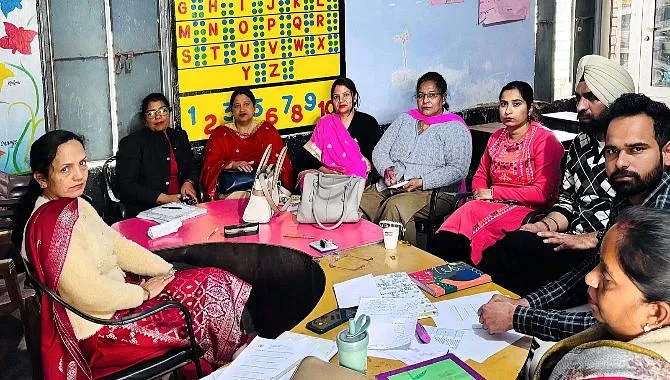
How One Young Leader Won a Head Teacher’s Trust, and Changed Her Cluster’s Meetings
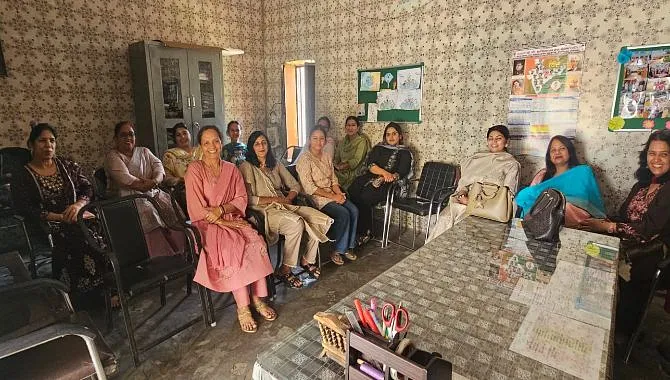
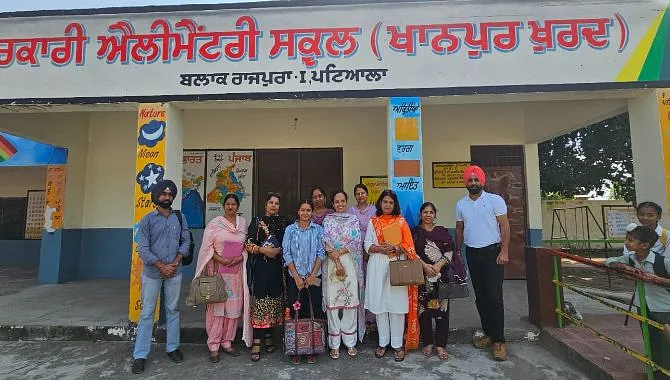
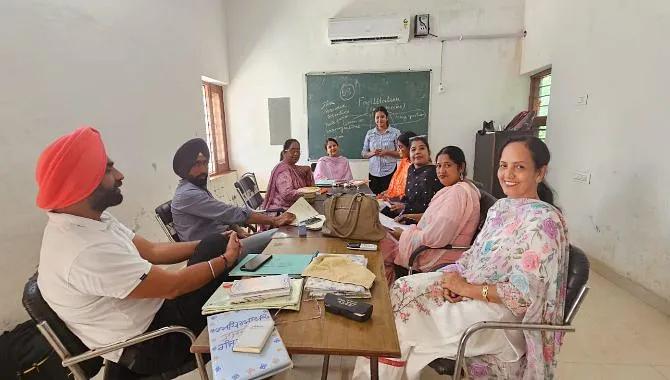
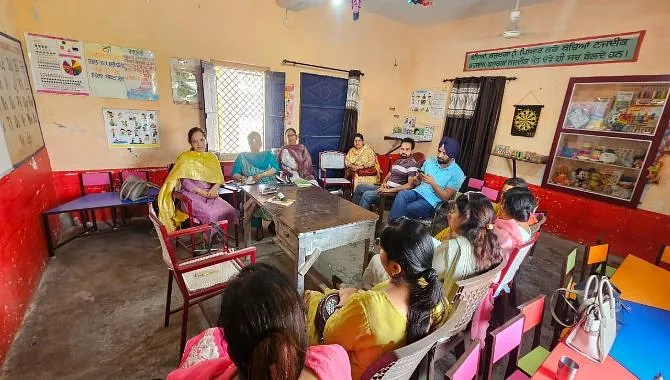
When Kajal Rani Sharma began her fellowship in 2024 as a Young Leader with Sanjhi Sikhiya, the Cluster Academic Meeting (CAM) in her cluster was treated as a formality. CAMs are the regular meetings where government school teachers plan and learn together. Plans agreed with the Cluster Head Teacher, Mrs. Renu Raheja, were sometimes reversed at the last moment. One CAM, already scheduled, was cancelled on the morning it was due to take place.
Kajal chose not to push harder. She decided to build the relationship first.
She spoke with Mrs. Raheja regularly, in informal conversations as well as formal meetings, to understand what she thought, felt and valued. She invited her into small, manageable parts of the planning, and she kept explaining how CAMs connect to teacher support and student learning.
The change was gradual. Mrs. Raheja began taking an interest in CAM discussions. She shared her ideas and her challenges openly, and she moved from sitting in meetings to taking part in them.
In February 2026, after eight CAMs, Mrs. Raheja reached out herself to plan the next one. She suggested an agenda built around her own cluster’s needs.
Today, the cluster reports better coordination and planning of CAMs, higher teacher participation, more relevant discussions, and a stronger sense of ownership by the Cluster Head Teacher. Mrs. Raheja now sees herself as the leader of the process. Kajal is seen as a partner, not an outside helper.
The children in government schools are Punjab’s next generation, and the teachers who guide them need good support too. Your gift helps our Young Leaders build this kind of trust in more clusters, so that teachers plan and learn together, school by school.
Invest in the next generation. Please donate today.
What we do.
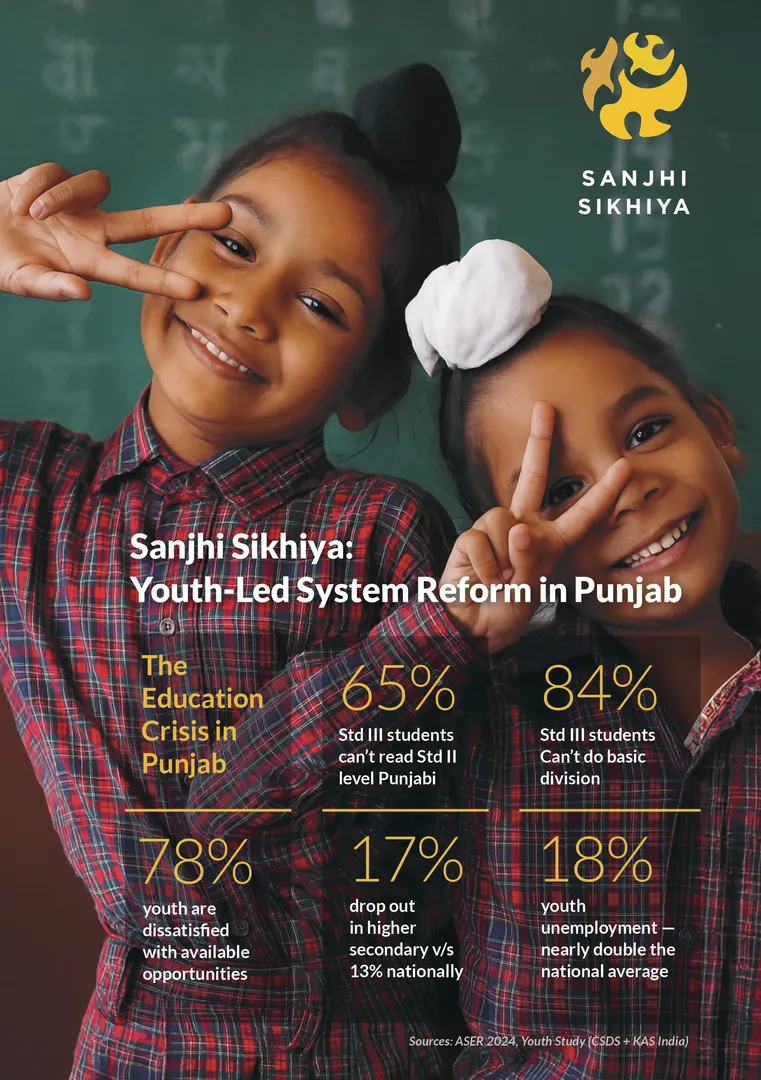
Sanjhi Sikhiya (Learning Together) started in 2018 by in response to what Punjab was losing: its young people to drugs and migration, its schools to neglect, its talent to unemployment. Seeing the extent of the crises in Punjab and the effort it would take to transform Punjab, our three co-founders, Ankit Chhabra, Ishpreet Kaur and Simranpreet Singh Oberoi made a 30 year commitment towards working for Punjab through the Sanjhi Sikhiya model. Our belief is simple: Pind da School, Pind da Maan. The village school should be the pride of the village.
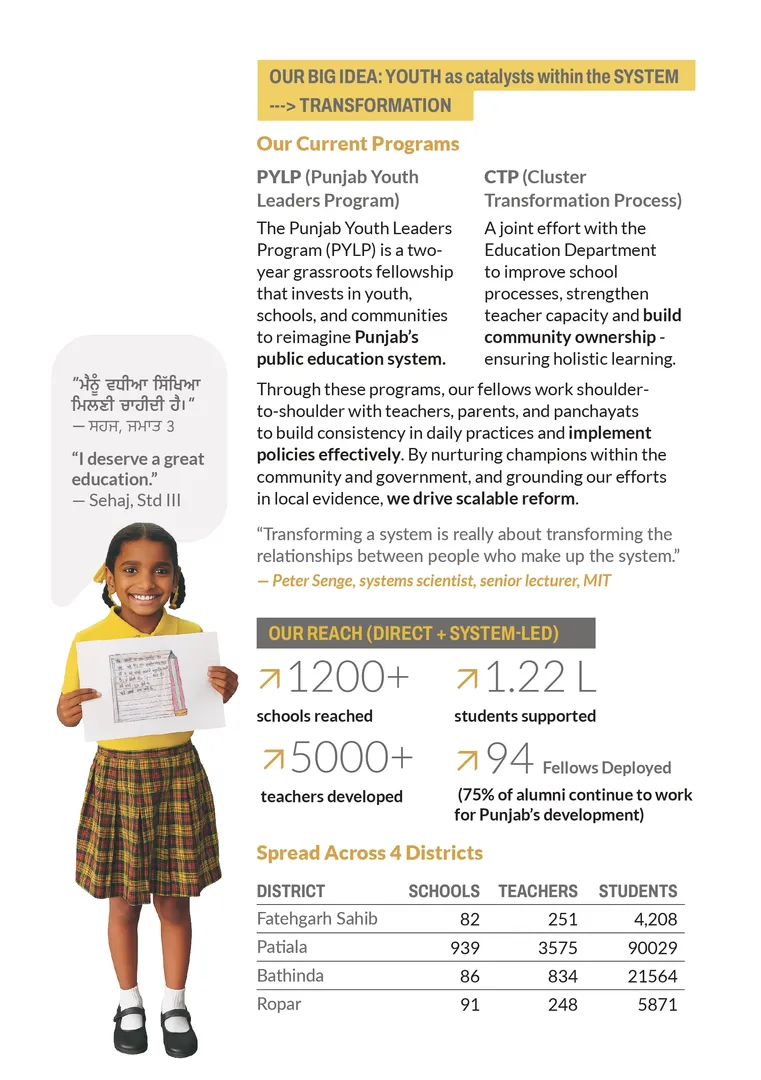
Since then Sanjhi Sikhiya has worked from inside Punjab's government school system, with the Education Department, panchayats, teachers and young local leaders, through four connected programs.
Cluster Transformation Program: in 350 government primary schools, teachers learn from each other every month, and villages take ownership of their school through Gram Sikhiya Sabhas.
Village Transformation Program: villagers decide, plan and act together for their village.
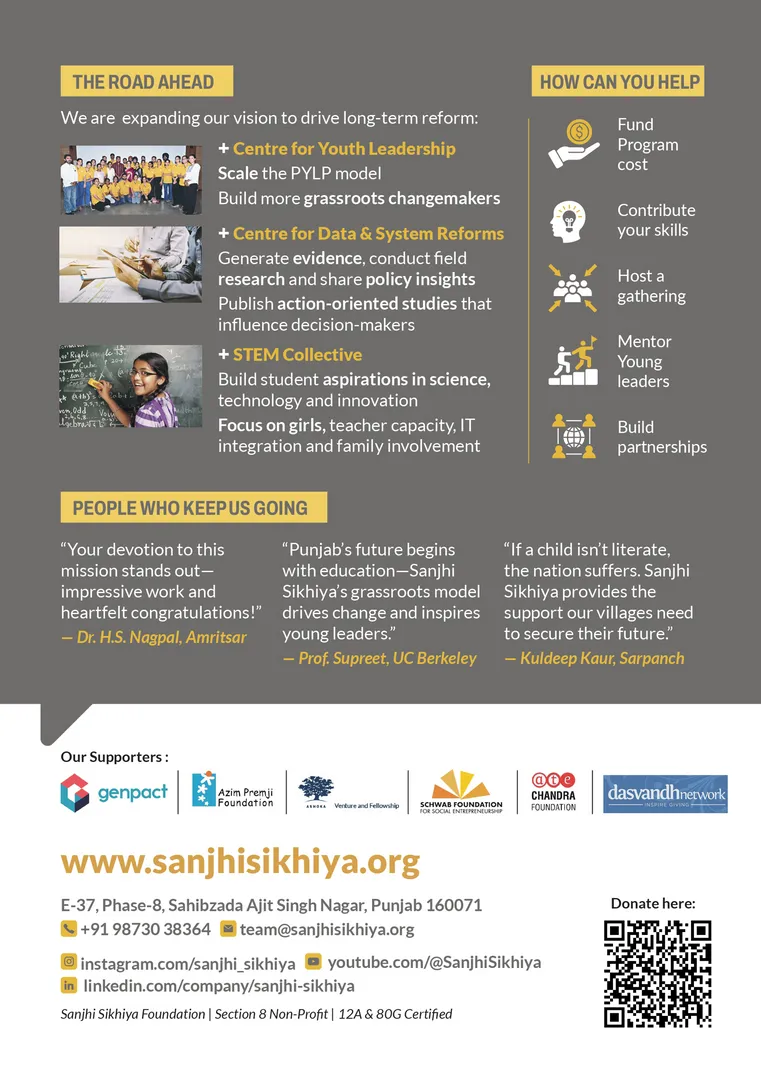
STEM Collective: 4,000+ Class 10 students in 25 Patiala schools, and a four-year journey with 100+ girls.
Punjab Youth Leaders Program: two years inside villages, schools and panchayats for the 5.5% selected from 2,000+ applicants.
What changes.
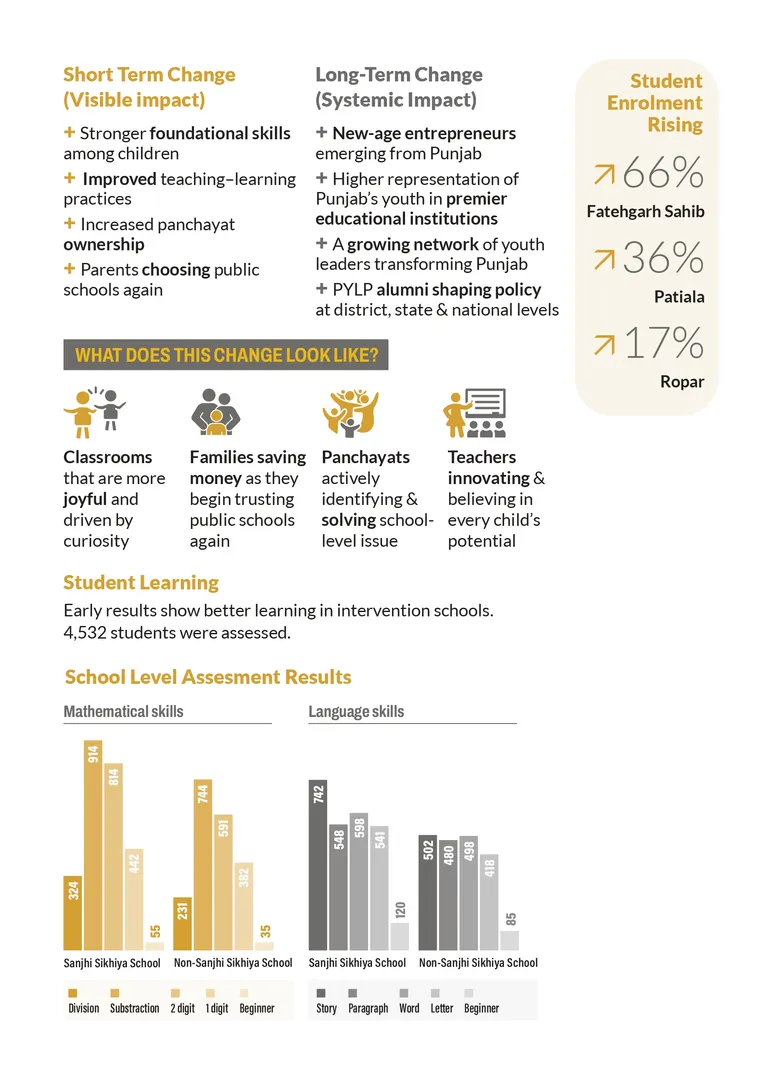
Among 1,132 Grade 3 to 5 children we assessed between 2024 and 2026, those who can read a Grade 2 text rose from 32% to 68%. Those who can at least subtract rose from 52% to 80%. 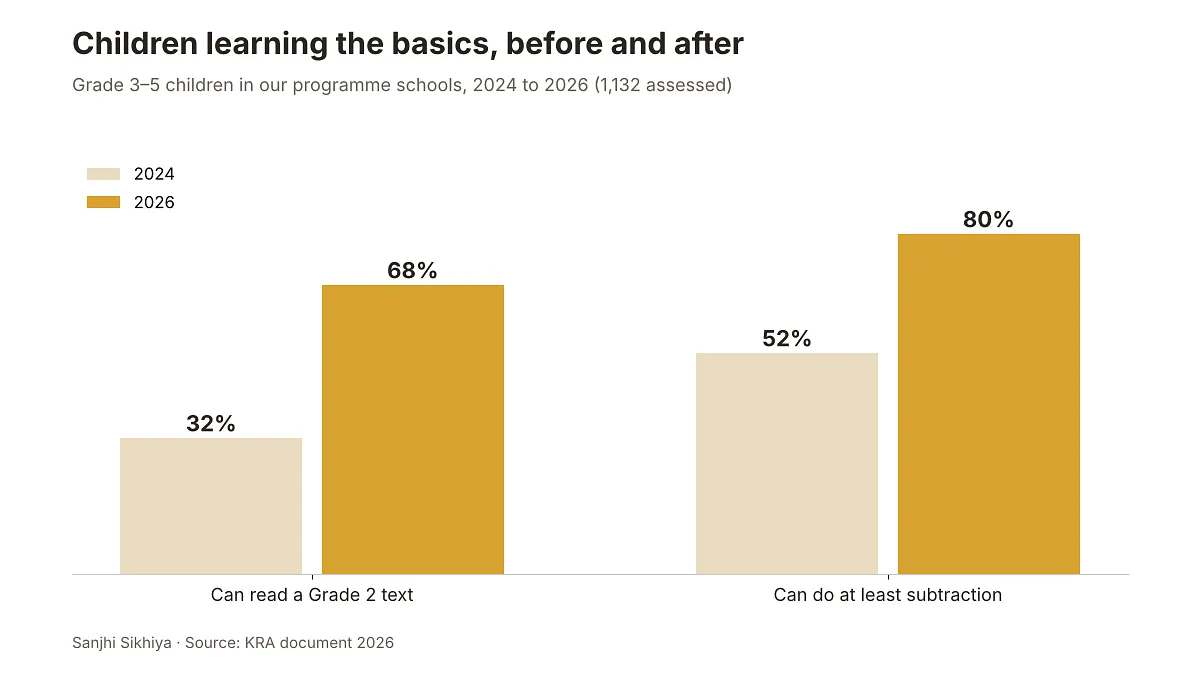
But children's learning isn't shaped by the classroom alone.
The village.
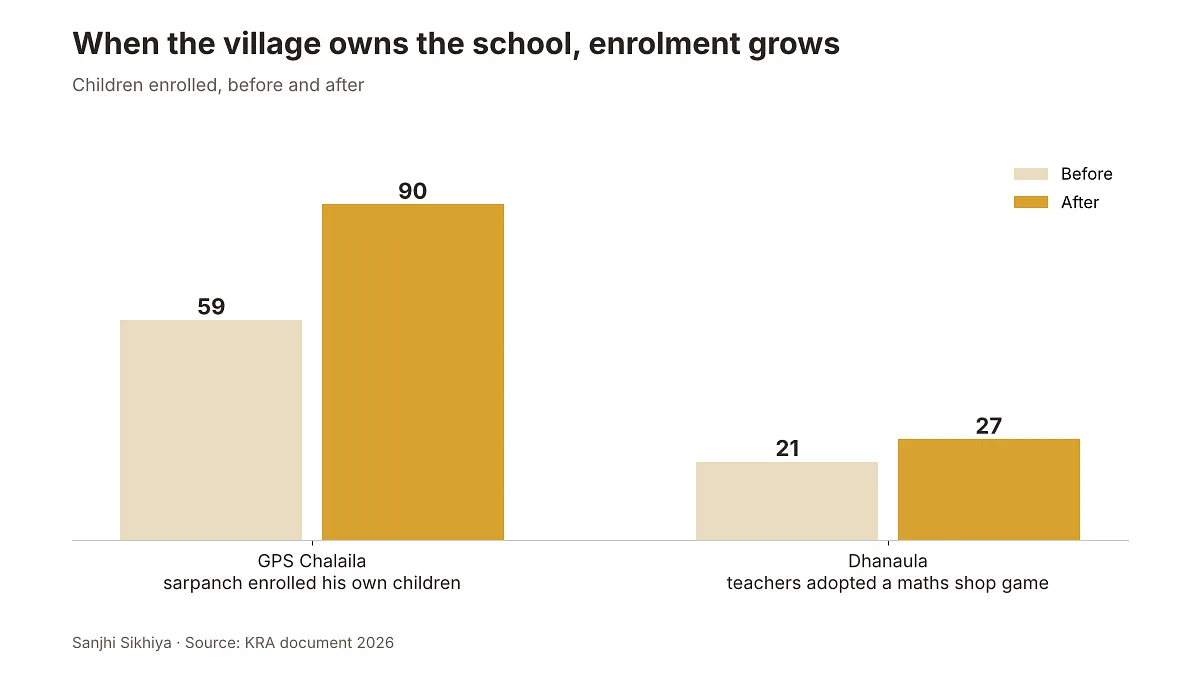
At Chalaila, the sarpanch enrolled his own children in the government school, and other parents followed. Enrolment rose from 59 to 90. Across our work, 180+ panchayats have spent Rs 1.65 crore+ on their schools, and residents have given 76,000+ hours.
Teachers.
When we asked Cluster Head Teacher Jasvir Kaur why she holds Cluster Academic Meetings, she came back with a thick register: five years of meeting notes, signed by 15 to 20 teachers each time. "I share my experience with teachers, and teachers share theirs with me."
The system.
Patiala's Education Department has adopted our Cluster Academic Meetings across all 938 schools and 81,351 students. The Gram Sikhiya Sabha has been shared as a best practice with 19,000 schools across Punjab.
Beyond the school.
In Ghumandgarh, 61 villagers, including NRI residents, chose sanitation as their priority and raised Rs 40,000+ on the spot.
Only 13.7% of Punjab students take Science in Classes 11 and 12, and 69% of girls in government schools name money as a barrier. Our STEM Collective walks with girls so that cost doesn't decide their future.
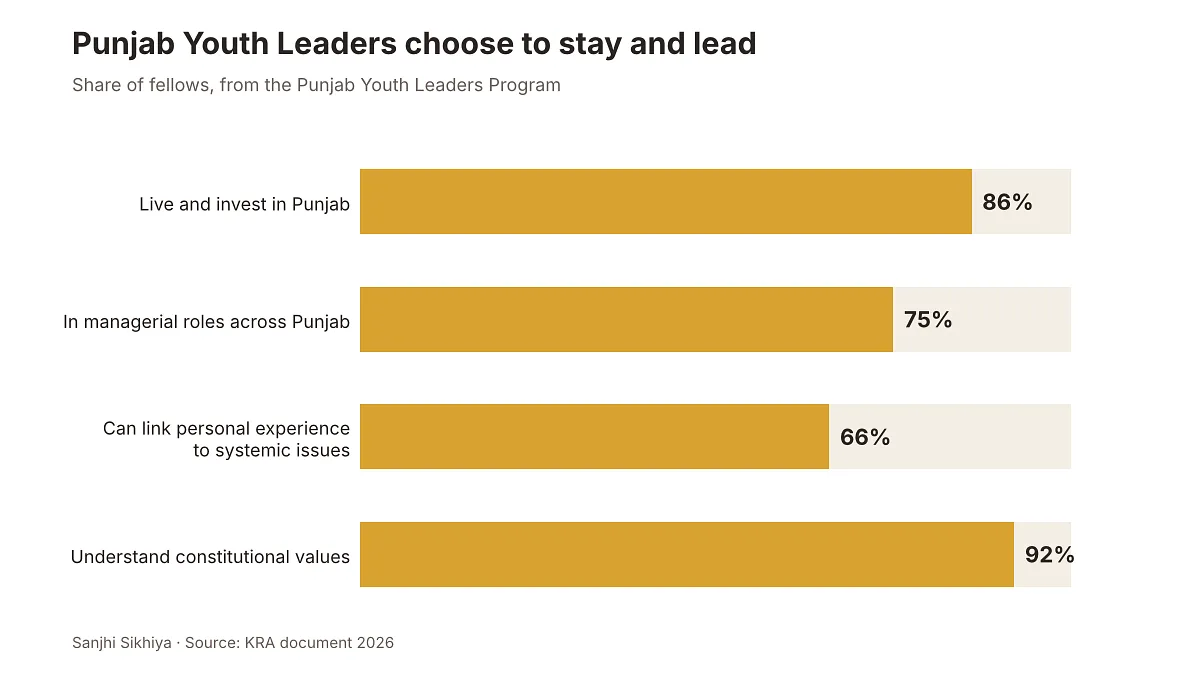
And through the Punjab Youth Leaders Program, 86% of fellows choose to live and invest in Punjab, and 75% now work in managerial roles across the state.
Pind da School, Pind da Maan. The village school should be the pride of the village.
Invest now. Punjab compounds.
Donations through GiveIndia qualify for tax deductions under Section 80G of the Indian Income Tax Act.
Organisers

Sanjhi Sikhiya Foundation
Beneficiary Charity

Tanya Sharma
Organiser
Start a Supporting Fundraiser
Magnify your impact by starting your own fundraiser. All funds raised by you will support the cause and help reach the goal faster.
0 raised of 10L
View All Donations
India's most trusted online donation platform

Easy
Donate quickly and seamlessly

Impactful
Champion causes close to your heart and change lives

Credible
Support 3,000+ certified Indian nonprofits
FAQs
Everything you need to know about the product and billing. Can’t find the answer you’re looking for? Please chat with our friendly team.
How does give.do Fundraisers work?
Is my donation on Give.do Fundraiser secure?
Will my entire donation reach my selected NGO?
What payment methods are accepted on Give.do?
In what currencies does Give.do accept the donation?
What causes can you donate to?